Rethinking Fear
First published in Sanctuary Cub,
Vol. 46
No. 11,
November 2026
Fear saved early humans from becoming a predator’s meal. Today, that same biological alarm fires when a spider crawls by. Going beyond such primal feelings, we must allow smart, directed fear to guide us to help our planet thrive. By Mansab Sayyad.
Right now, something inside your body is listening for danger. Every time your chest tightens in a dark room or your heart hammers at a sudden noise, your brain is running a 200,000-year-old survival programme written in the pitch-black nights of the Pleistocene.
For thousands of generations, darkness meant nocturnal predators that had pupils six times wider than ours, and being cast out by your tribe meant dying alone in the wild. Your nervous system evolved to flood your blood with stress hormones before your conscious mind could even process what was happening.
That instant reaction saved your ancestors from becoming a predator’s meal. Today, that same ancient biological alarm fires when a tiny spider crawls by or when you see a cockroach fly.
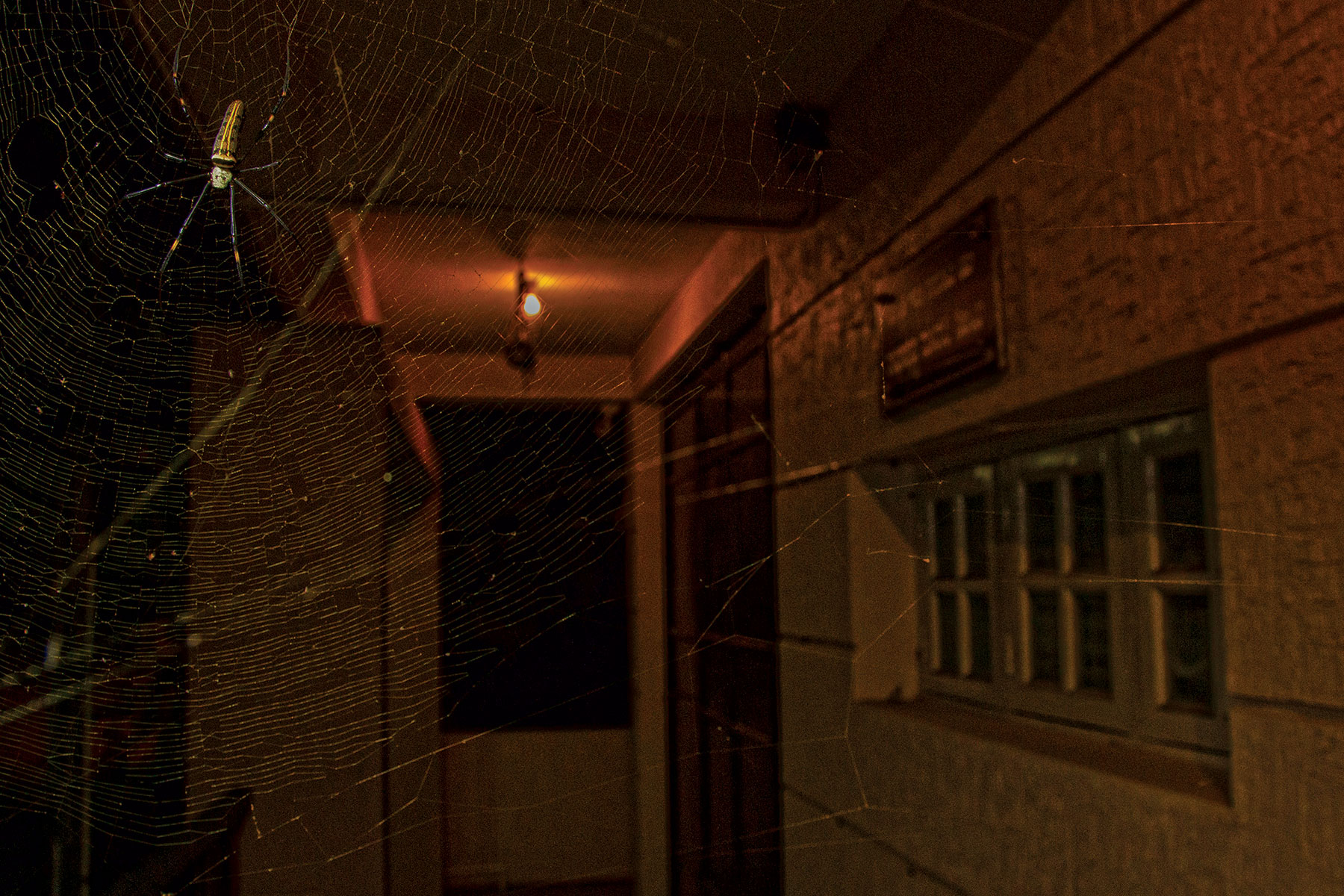
Spiders are helpful neighbours, keeping pest numbers down. Photo: K.M. Prajwal/Sanctuary Photolibrary.
The Old And The New
If we squeeze the entire history of Earth into one single day, we, humans, would only show up in the last four seconds. Dogs and cats, the animals most of us grow up loving, joined us only a few thousand years ago, in timescale only seconds ago on that same clock.
Now picture spiders. They’ve been spinning webs for 380 million years, since before dinosaurs existed. Snakes have been slithering around for over 160 million years, and cockroaches for over 120 million years. The animals we love most are the latest arrivals. The ones that make us scream existed long before we even had names for fear.
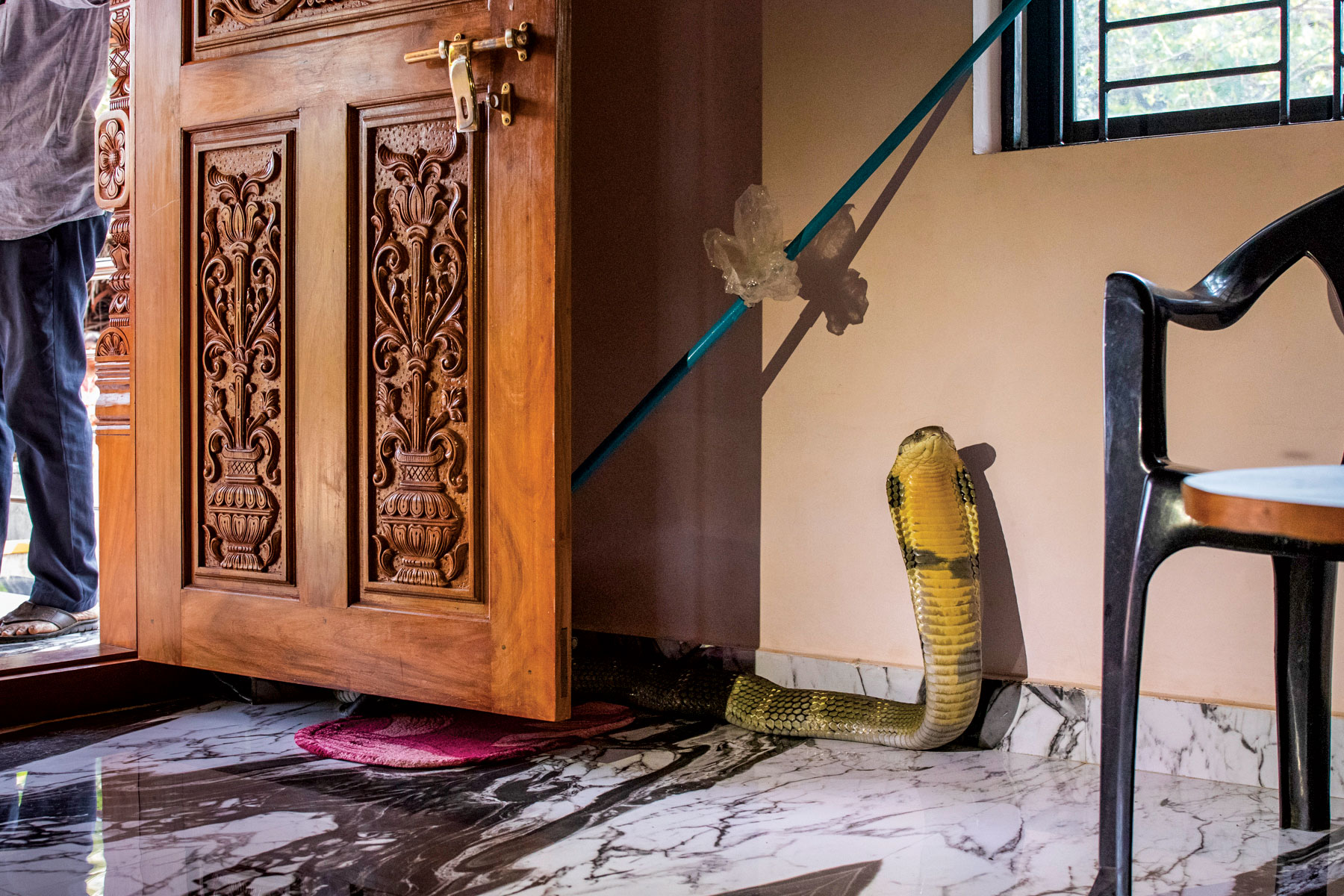
Rescue and release of the Western Ghats endemic snake, king cobra Ophiophagus kalinga. Photo: M. Jithesh Pai/Sanctuary Photolibrary.
Why Them?
Age can explain why these animals feel strange to us, but it doesn’t explain why people actively hunted them. That part is a choice someone made, not that long ago.
Some Rajput clans, such as the Baghels, claimed descent from tigers and protected the striped cat because of it. Under British colonial rule, that changed: tigers and leopards were hunted as trophies or a menace. An estimated 80,000 tigers and 150,000 leopards were killed between 1875 and 1925.
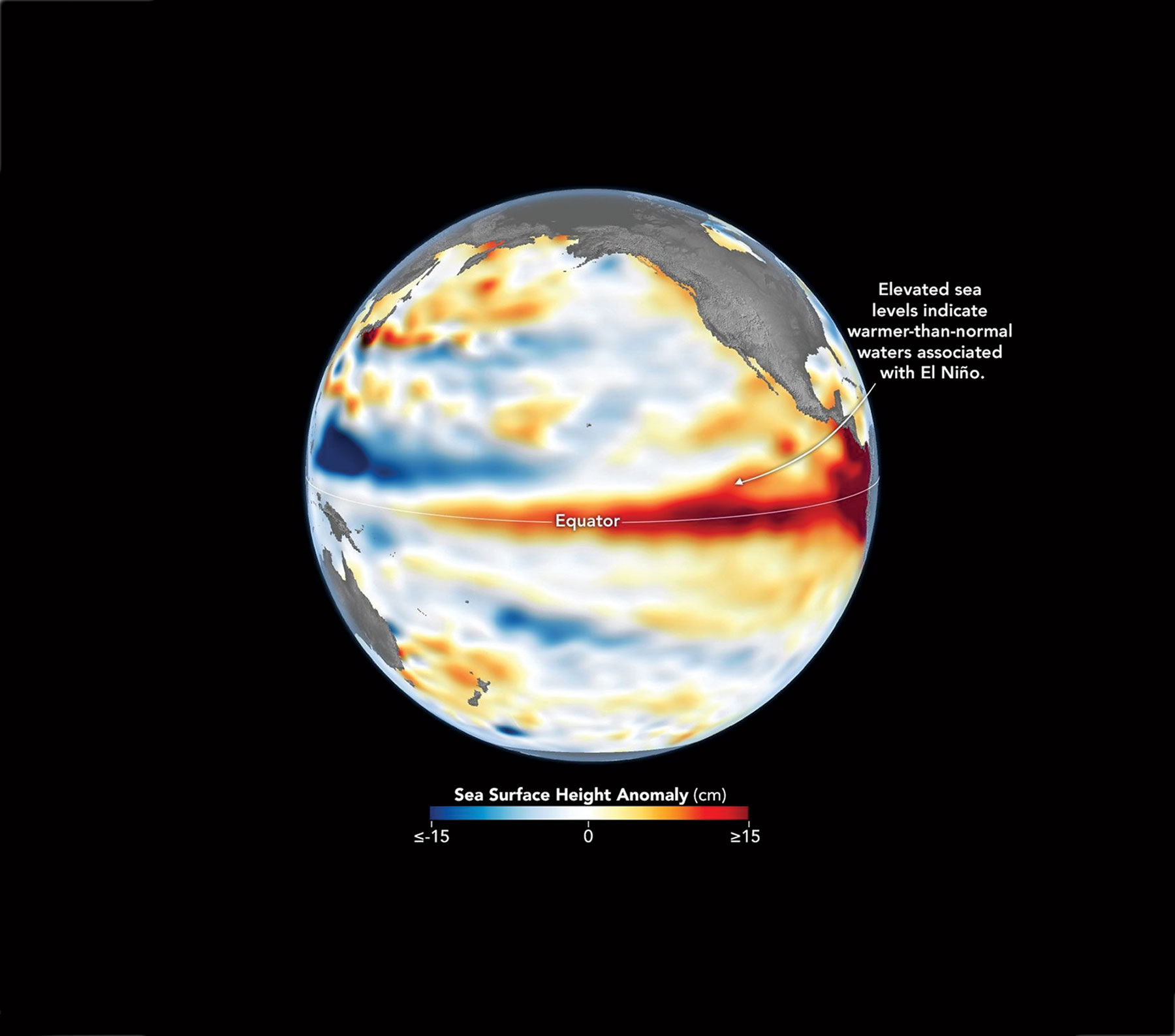
Higher-than-normal sea surfaces (red) are visible in the central and eastern Pacific on June 8, 2026, a few days before El Niño was declared. Photo: NASA Earth Observatory/Lauren Dauphin.
Walling Nature Out
We often wall off nature: screens keep insects out, rivers get channelled, forests get fenced, and predators become trespassers on land that was theirs first.
Scientists call the result ‘extinction of experience’, the slow loss of direct contact with the natural world. Less contact doesn’t make animals less scary. It makes them strangers to us, almost otherworldly. We forget that we are a part of the animal kingdom! The next generation then accepts that thinner version of nature as normal, a pattern ecologists call the shifting baseline syndrome.

Children can become the voice of nature, armed with information and a love for life. Photo: NASA Earth Observatory/Lauren Dauphin.
Turning Fear Into Fuel
None of this means every fear is equally misplaced. A tiger can kill you. A shark can too. A spider on your wall has earned nothing but being left alone. A tiger that’s attacked a person has earned caution and expert help, not blanket extermination. Knowledge tells you how big the danger is, and what a proportionate response looks like instead of a reflexive one.
People fear what feels sudden and out of control, like a shark attack, and stay calm about what’s slow and familiar, like extreme heat, even when the slow phenomenon is also dangerous. Climate change is the clearest case. The temperature is rising every year.
The scale of what misplaced fear has cost us is already visible. Species are going extinct at roughly a thousand times the natural background rate. Monitored wildlife populations have dropped 73 per cent since 1970.
So next time an owl calls at night or a spider startles you, let the fear happen. Just don’t stop there. Save the real fear for phenomena that endanger us and all life on Earth.
If you are worried about climate change or nature disappearing, it means your internal alarm is working exactly as it should; your body’s survival alarms are signalling a real fear. The secret is converting that into active energy. Instead of freezing in helplessness, we can channel it into real-world impact: restoring local habitats, defending wildlife, and speaking up for ecosystems. Ancient fear kept our ancestors alive, but smart, directed fear is what will keep our planet thriving.
Mansab Sayyad is a wildlife communicator, editor and storyteller with a background in biodiversity and conservation. He explores the intersections of wildlife, science and storytelling at Sanctuary Asia’s digital content.