Photofeature: Call Of The Wild
First published in Sanctuary Asia,
Vol. 46
No. 10,
October 2026
A Retrospective: Sanctuary Wildlife Photography Award winners take us back to the moment they won the Award, and share how that experience influenced their personal journey, professional path, and understanding about the role of photography in conservation. We also asked them for their thoughts on AI in wildlife photography, and if they had any advice for aspiring photographers. Here’s what they had to say!
1. Ripan Biswas, Special Mention, Open Category – Creatures Great and Small, 2017
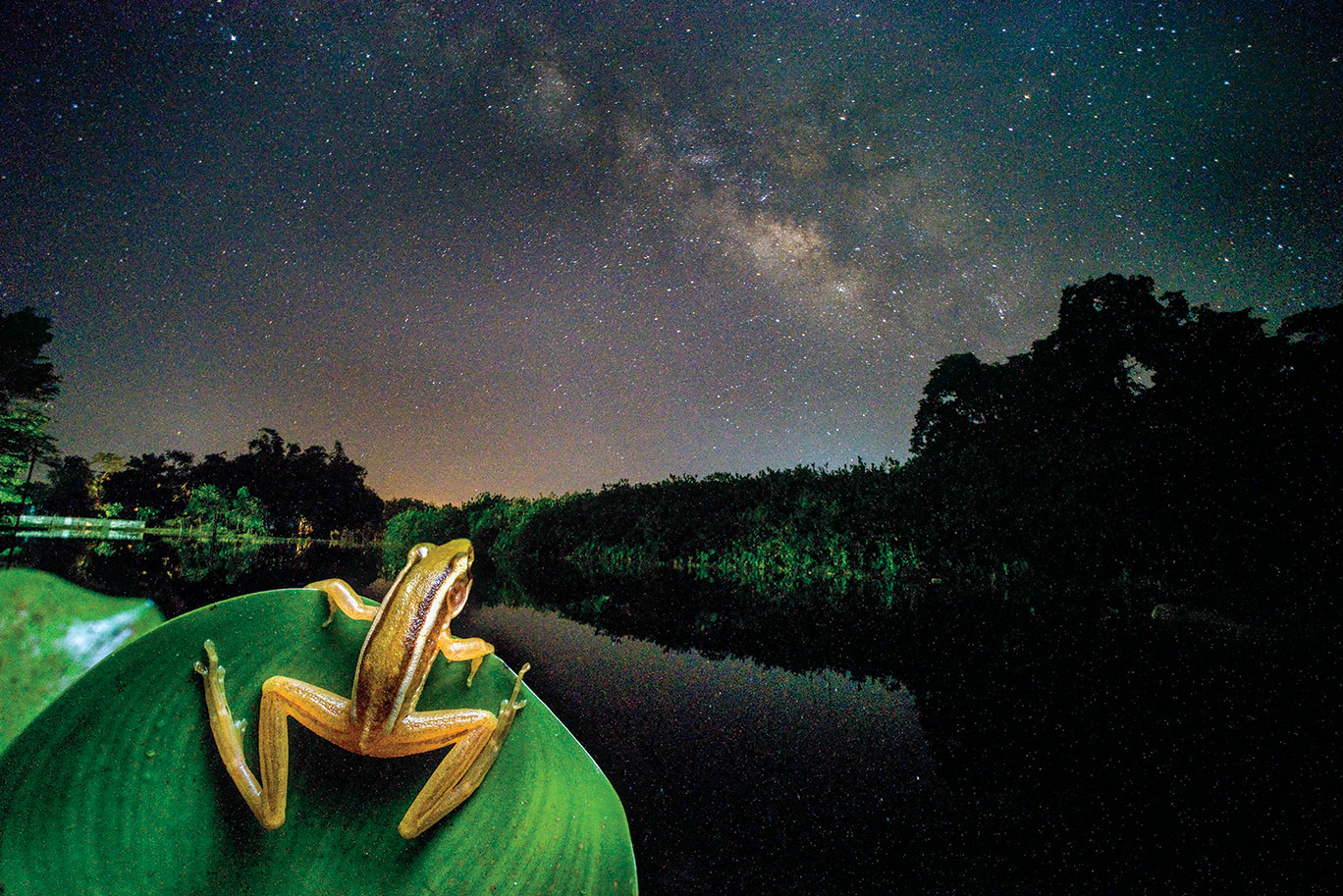
Photo: Ripan Biswas/Sanctuary Photolibrary.
Every recognition from Sanctuary has brought a mixture of surprise, happiness and validation. For me, the story behind the frame matters. Technical flair is important, but an image becomes memorable when it makes people stop and wonder. My photograph, ‘A Peculiar Piscator,’ was one such image. Sanctuary represents the connection between photography, nature and conservation. Recognition by this platform encouraged me to pursue my own way of observing wildlife and looking for unusual behaviour, stories, perspectives, and going beyond conventional wildlife photography. My work has gained visibility and confidence.
My advice is simple: don’t chase photographs; chase stories. Observe more, understand behaviour and notice the small and overlooked creatures. Regarding AI, I feel it is an incredibly powerful revolution and I welcome it. Yet, I don’t believe it can replace the artistic charm of photography, or the thrill of being in the wild. I now focus on wildlife filmmaking and conservation storytelling, particularly stories about the overlooked creatures that play enormous roles in our ecosystems.
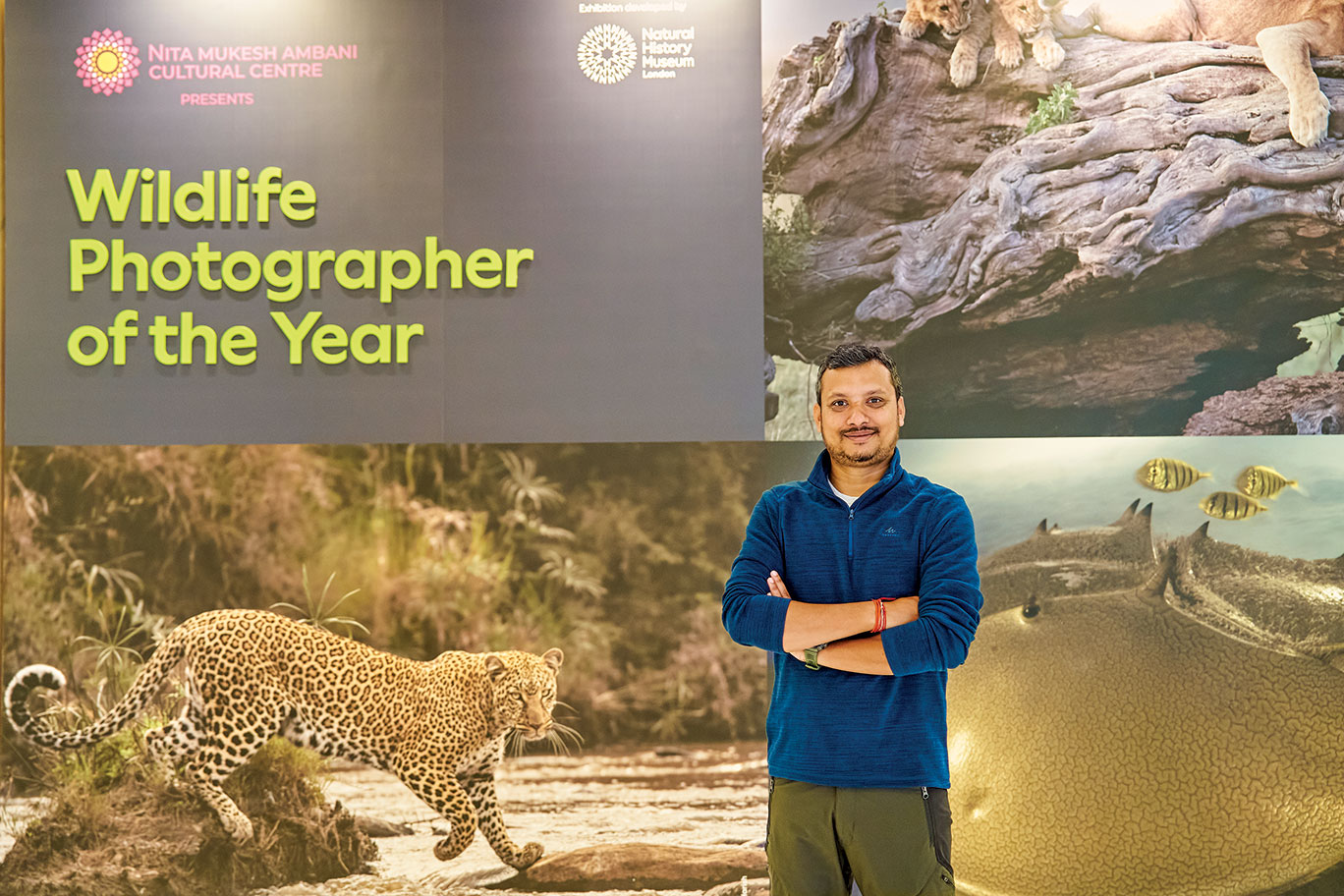
A multiple-time Sanctuary Wildlife Photography Awards winner, filmmaker and conservation storyteller from West Bengal, Ripan Biswas’ work focuses on wildlife behaviour, lesser-known species, and stories from the natural world that often remain unseen.
2. Rukhiya Mohammed, First Prize, Drone Category, 2023
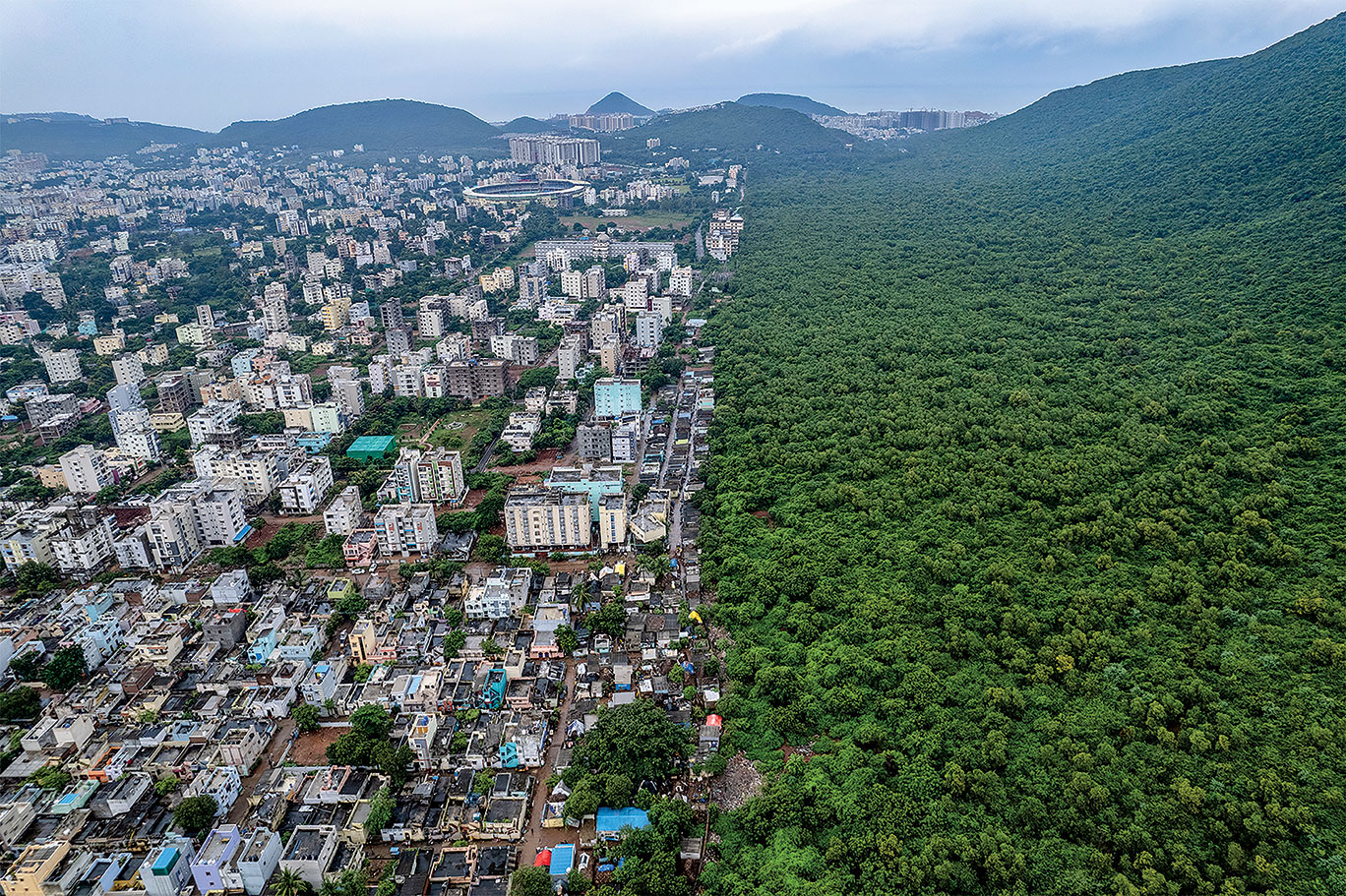
Photo: Rukhiya Mohammed/Sanctuary Photolibrary.
Winning the award brought me immense happiness. Being a strong voice for wildlife and conservation, Sanctuary’s recognition meant a great deal to me. More importantly, the photograph reached a wider audience. I think it stood out because it visually communicated what research and reports have been conveying for years: the impact of urbanisation on nature.
We know about expanding cities affecting wildlife, but that conflict unfolding in a single frame makes it immediate and personal. Photographs remind us of who we share this planet with. They evoke wonder, but they can also foster responsibility. I encourage the next generation to keep learning and never let the pursuit of an image compromise ethics. We have the privilege of witnessing incredible moments and we must document them responsibly. I see AI-generated photography as a different genre. Technology can be useful, but transparency is essential. The human experience behind a real photograph cannot be replaced.
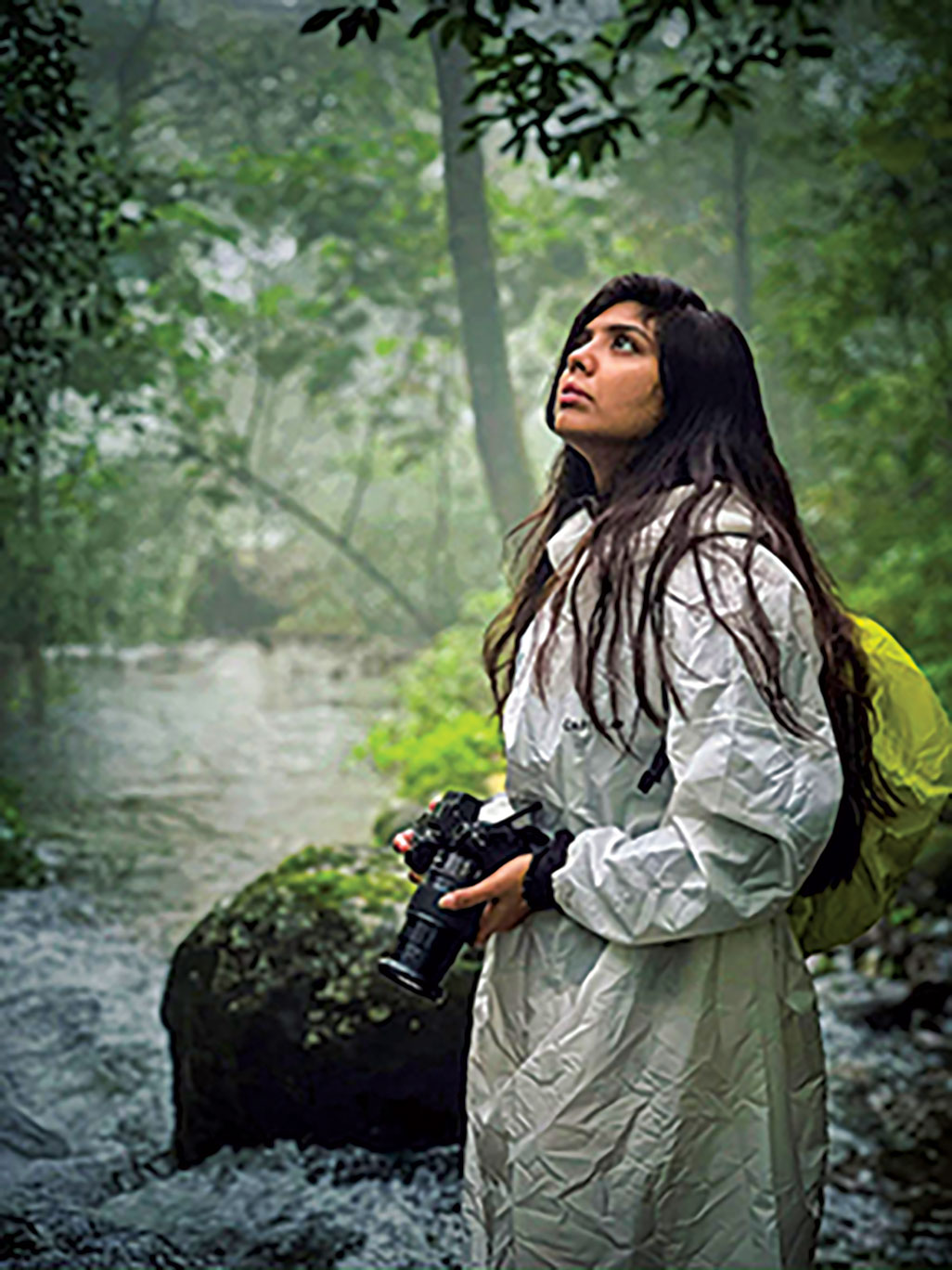
Rukhiya Mohammed, a Google software asset manager from coastal Andhra Pradesh, combines her technology career with a passion for nature. A solo traveler, photographer, scuba diver, and drone pilot, she documents wildlife, underwater ecosystems, and aerial landscapes, using visual storytelling to inspire conservation.
3. Kenneth Lawrence, Honourable Mention, 2022
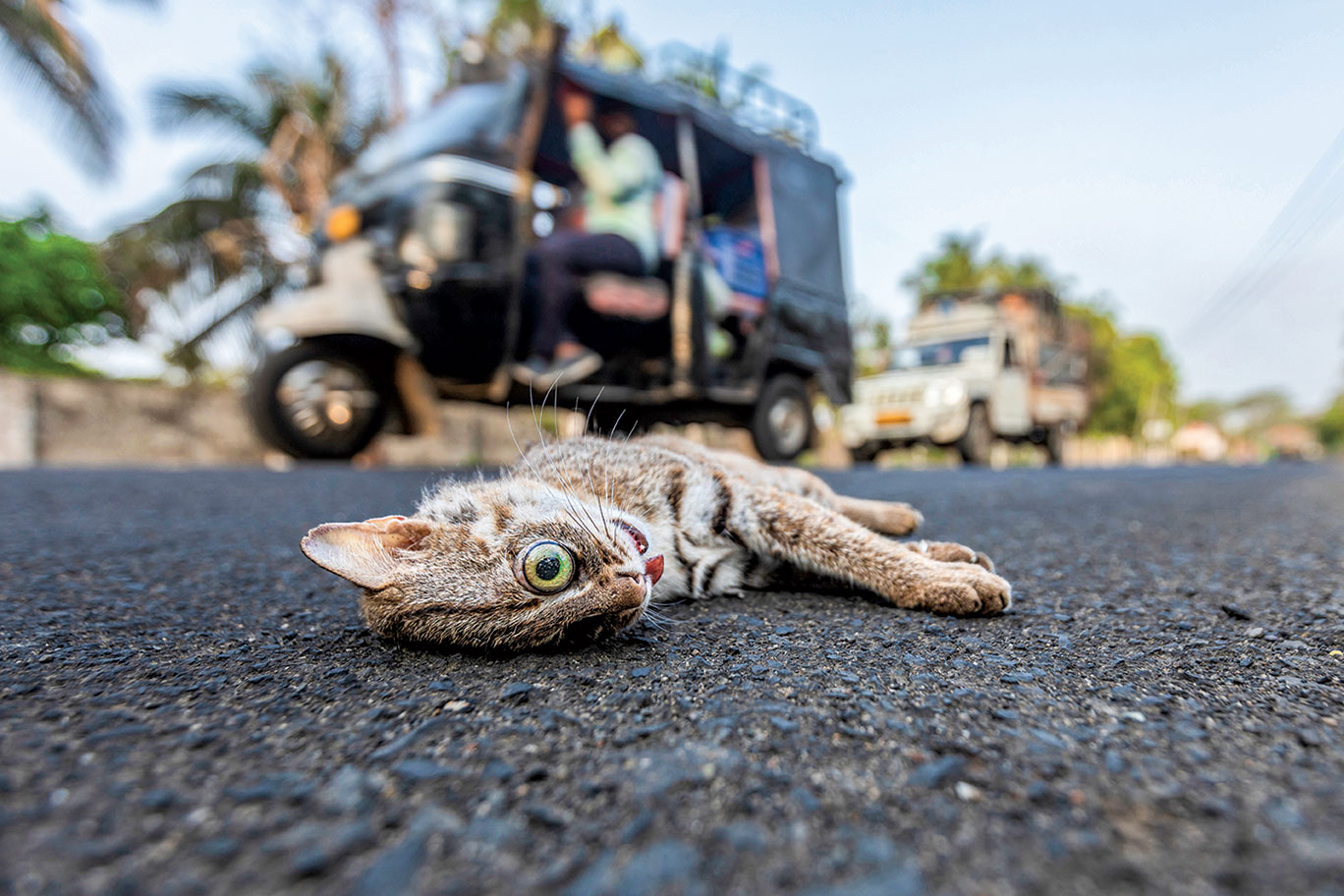
Photo: Kenneth Lawrence/Sanctuary Photolibrary.
Words cannot describe the feeling of receiving the call from Sanctuary. The jury’s selection for the urgency of the story brought immense satisfaction. I photographed the roadkill of an elusive rusty-spotted cat, an animal I had never seen before. It questions development and the need for wildlife-friendly infrastructure. Photography is most powerful when it makes us care. I encourage young photographers to look beyond charismatic places and wildlife. Explore urban wildlife, interactions and conservation. Introspect your image’s story beyond its visual appeal. AI will prevail and I use it responsibly as a workflow tool. I look forward to its use for wildlife surveillance, habitat monitoring, migration studies and conservation. Technology is a tool; how responsibly we use it matters more.
I am currently directing an independent documentary on human-wildlife relationships, developing international projects, and conducting wildlife filmmaking workshops. I hope to build a larger family of storytellers who speak for our planet.
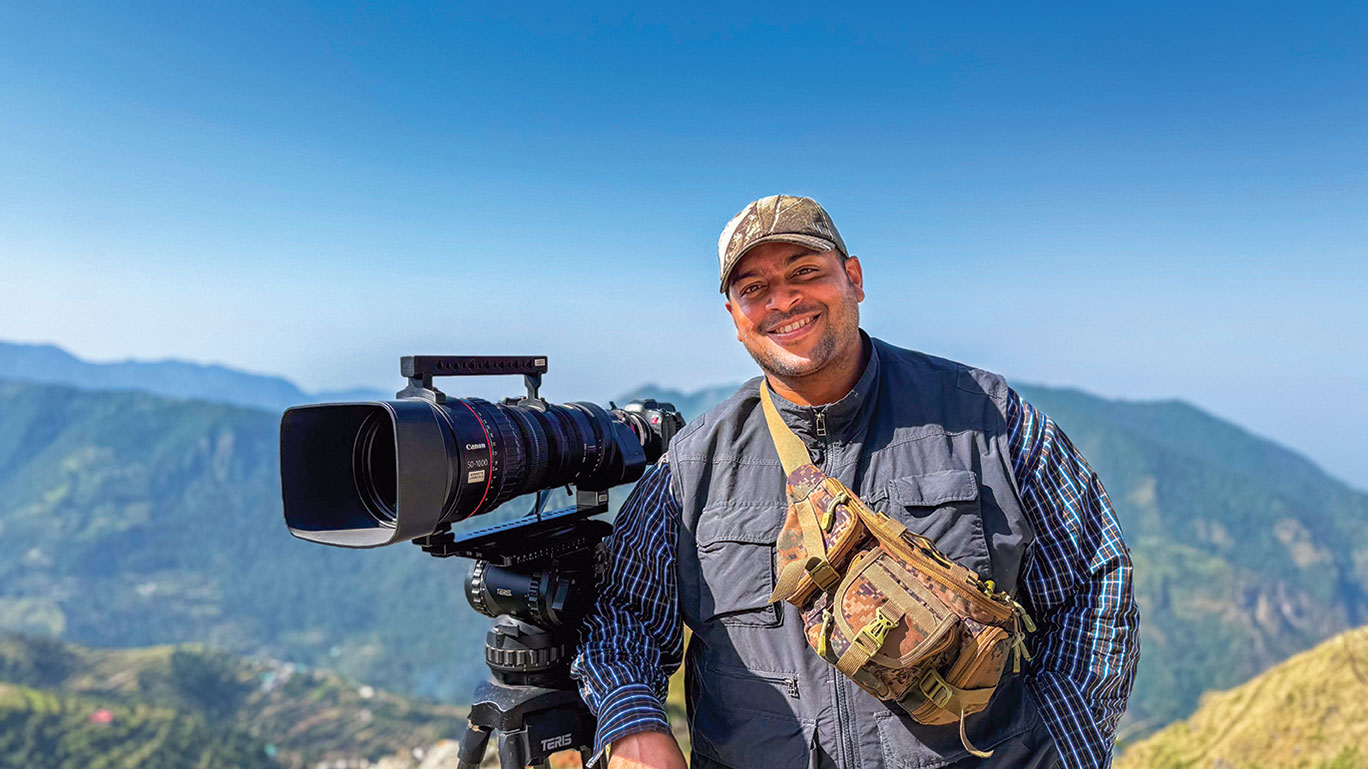
Kenneth Lawrence is an international award-winning, Mumbai-based wildlife filmmaker and photographer. He put aside his decade-long career as an ad and music video director/DOP to focus on the natural world and its wellbeing. Currently shooting his third big-cat documentary in India, he has filmed two other conservation films.
4. Sitaram Raul, Joint Second Prize, 2020
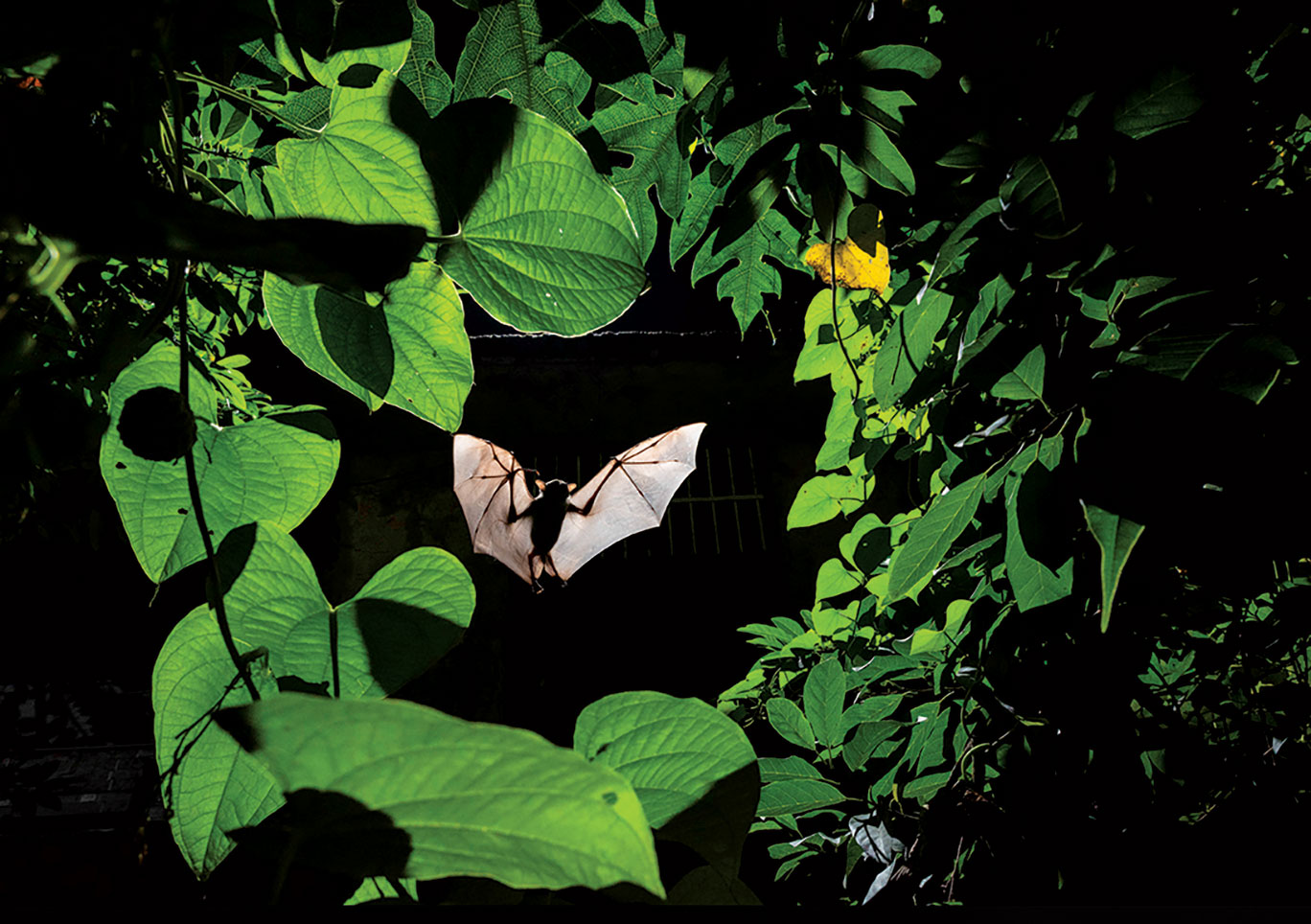
Photo: Sitaram Raul/Sanctuary Photolibrary.
When I started photography, we examined photographs from old magazines that were getting published. Winning this award was a dream come true. With national and international recognition, it impacted my creative journey by reassuring me that I was on the right track. Wildlife photography supports conservation and spreads awareness. My winning image of a bat piqued curiosity and changed the negative perception created by COVID-19. My advice is simple: don’t click to win competitions. Keep clicking, enjoy the process and journey – that is the fun part. Your work will speak for itself. AI may create beautiful images, but it cannot replace the process. The mosquito bites that you endured, the waiting, the joy and sadness behind real photography. I would be happier being a bad photographer than using AI.
I am now exploring India’s deserts and their understudied biodiversity. This landscape and my home base in the Western Ghats, especially the unexplored Tilari region, fascinate me.
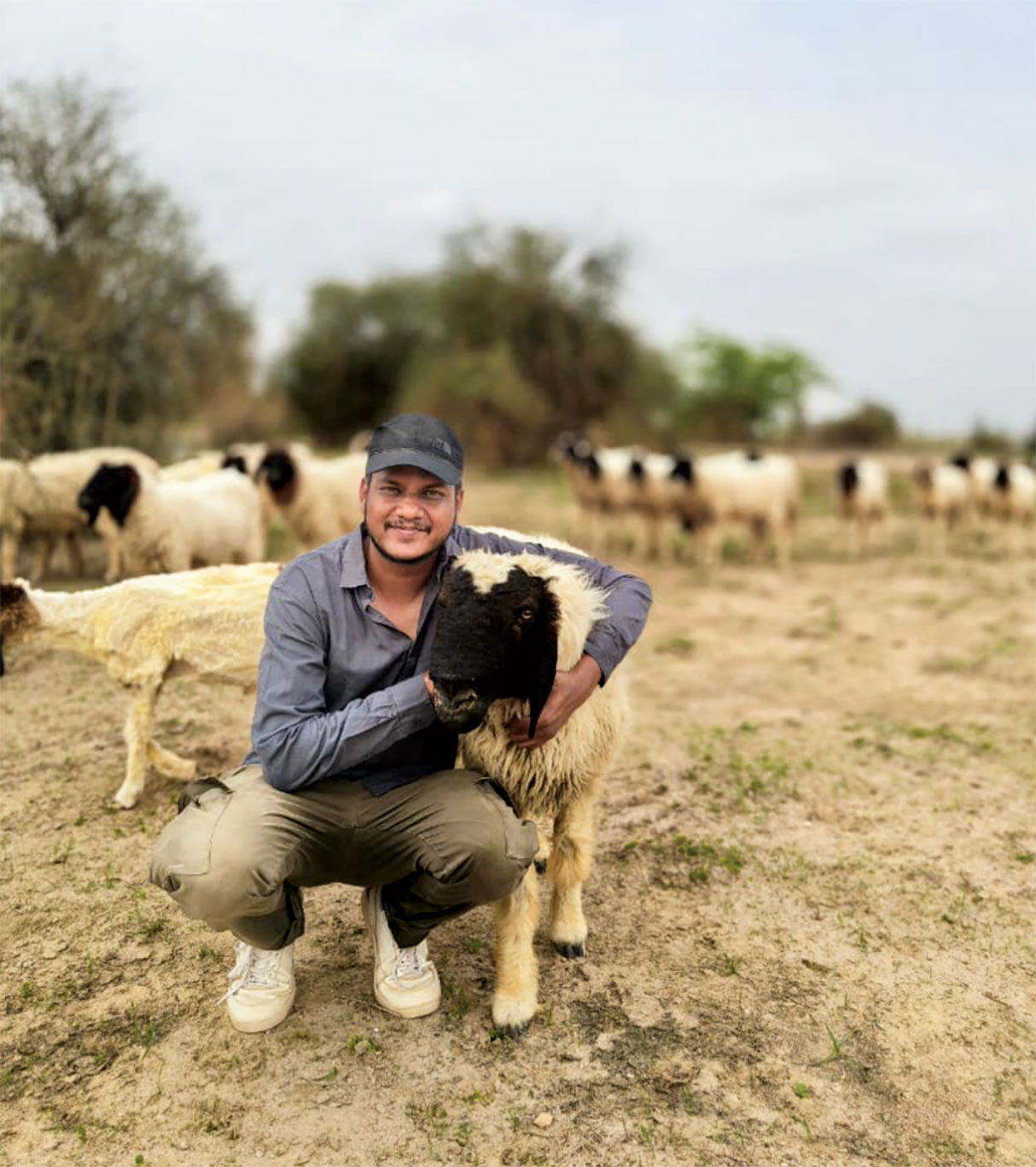
Photographer and fine artist, Sitaram Raul’s primary focus and interest lies in presenting nature and wildlife in a non-traditional way. He enjoys experimenting with lighting, compositions and perspectives to create images
that evoke emotion and tell unique stories.
5. Pratik Pradhan, First Prize, 2020
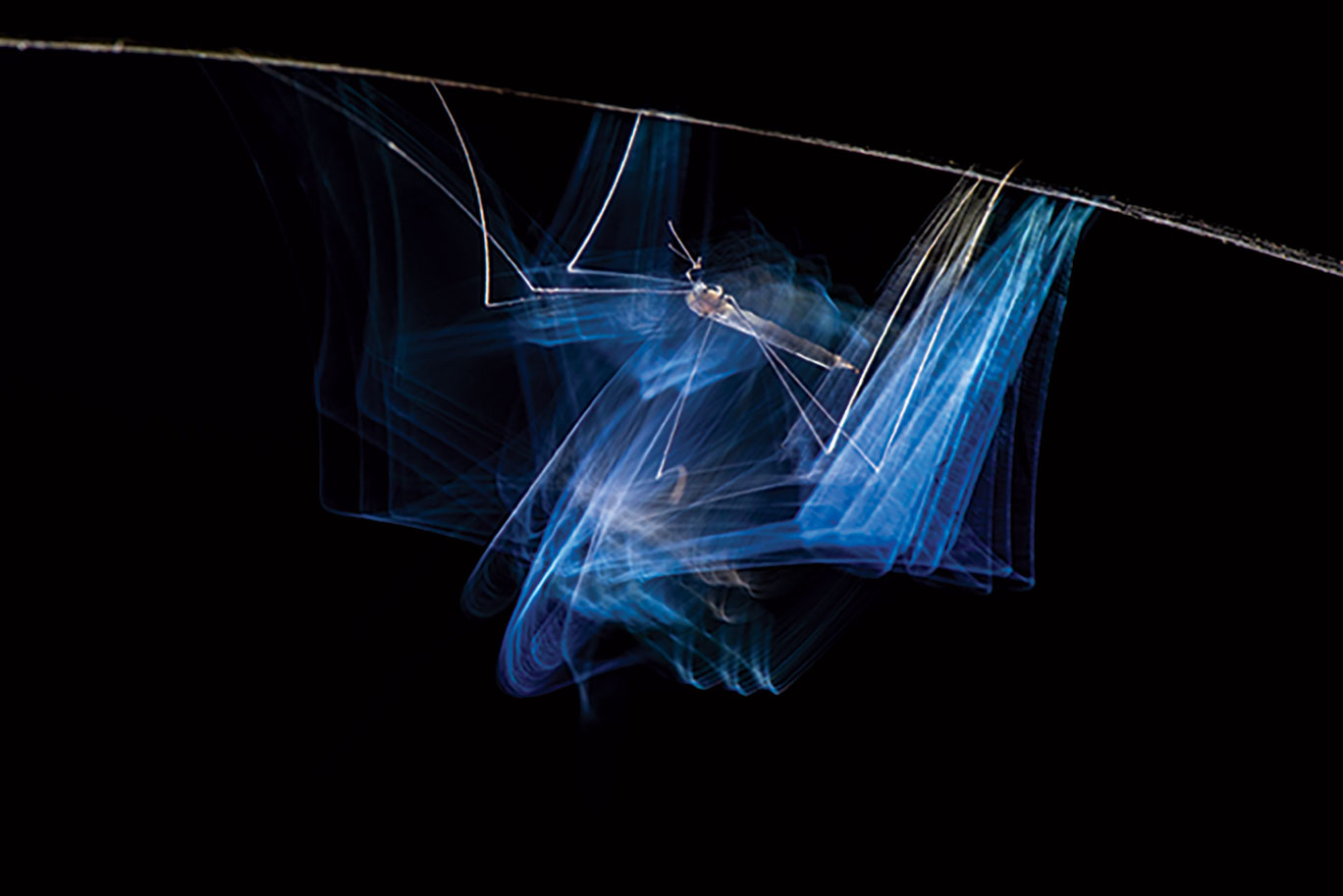
Photo: Pratik Pradhan/Sanctuary Photolibrary.
I vividly remember receiving the call on being chosen as Photographer of the Year. At first, I thought it was a prank, but soon realised it was true. I was extremely happy, and the award boosted my confidence.
More importantly, it strengthened my belief in creating awareness about our smaller neighbours – the creatures that are often overlooked. A slow shutter speed and external light sources created an almost phantom-like appearance of the ‘Phantom Crane Fly’ as an interpretation over simple documentation of a familiar subject.
For me, photography has always been about discovering, experiencing and sharing nature rather than winning competitions. Before becoming a photographer, become a nature lover at heart. Nature rewards patience, humility and a genuine connection with the wild. I believe AI can be a powerful educational tool if used responsibly, but when it comes to nature, we must clearly distinguish reality from what has been created.
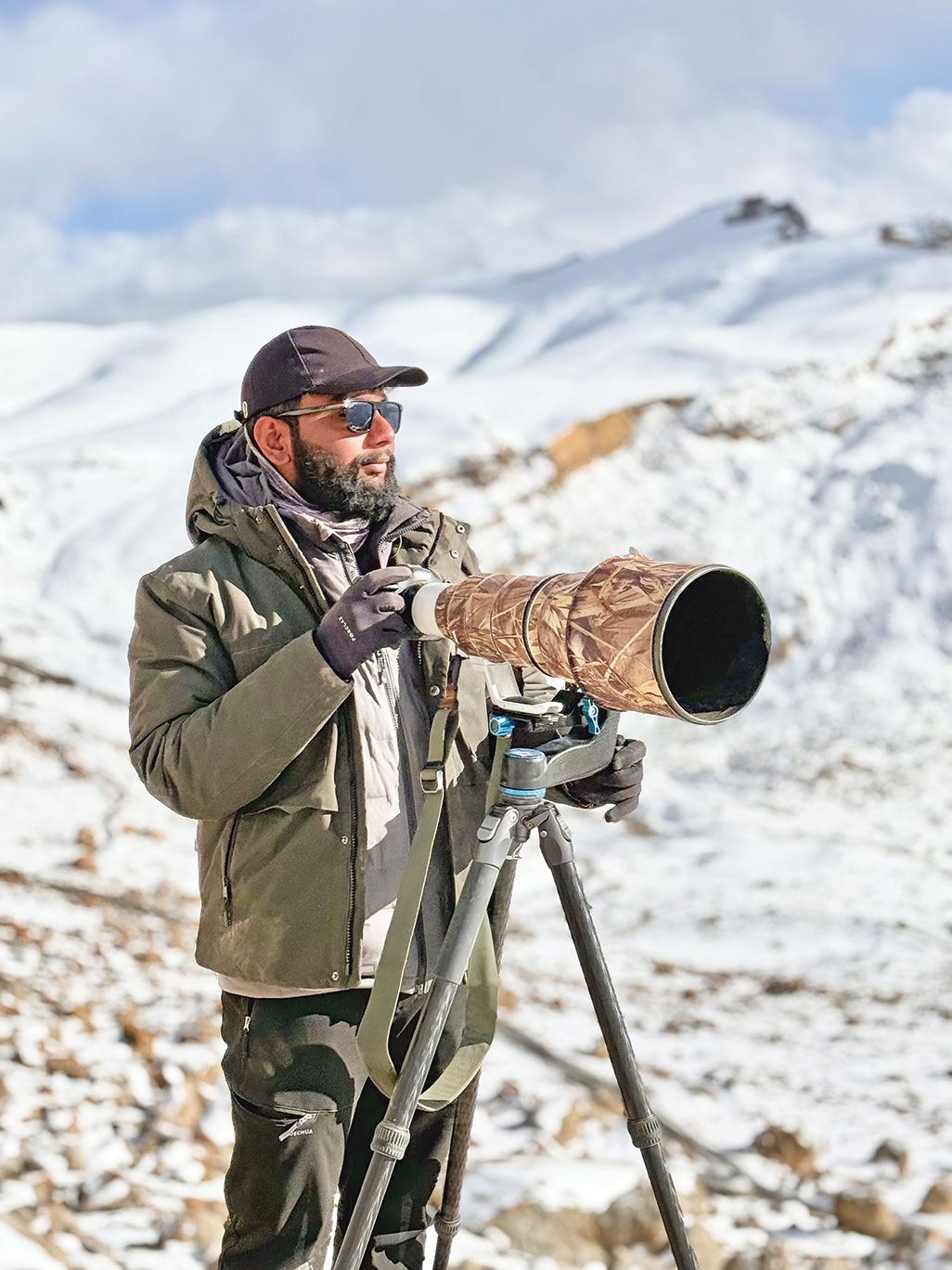
Pratik Pradhan is a multi-award-winning nature photographer and Sir J.J. School of Arts alumnus. Since beginning photography at 13, he has spent nearly two decades exploring India’s landscapes and wildlife. Today, he leads customised photography tours, combining wildlife, nature, local experiences and hands-on guidance for photographers of all levels.
6. Hira Punjabi, First Prize, 2001
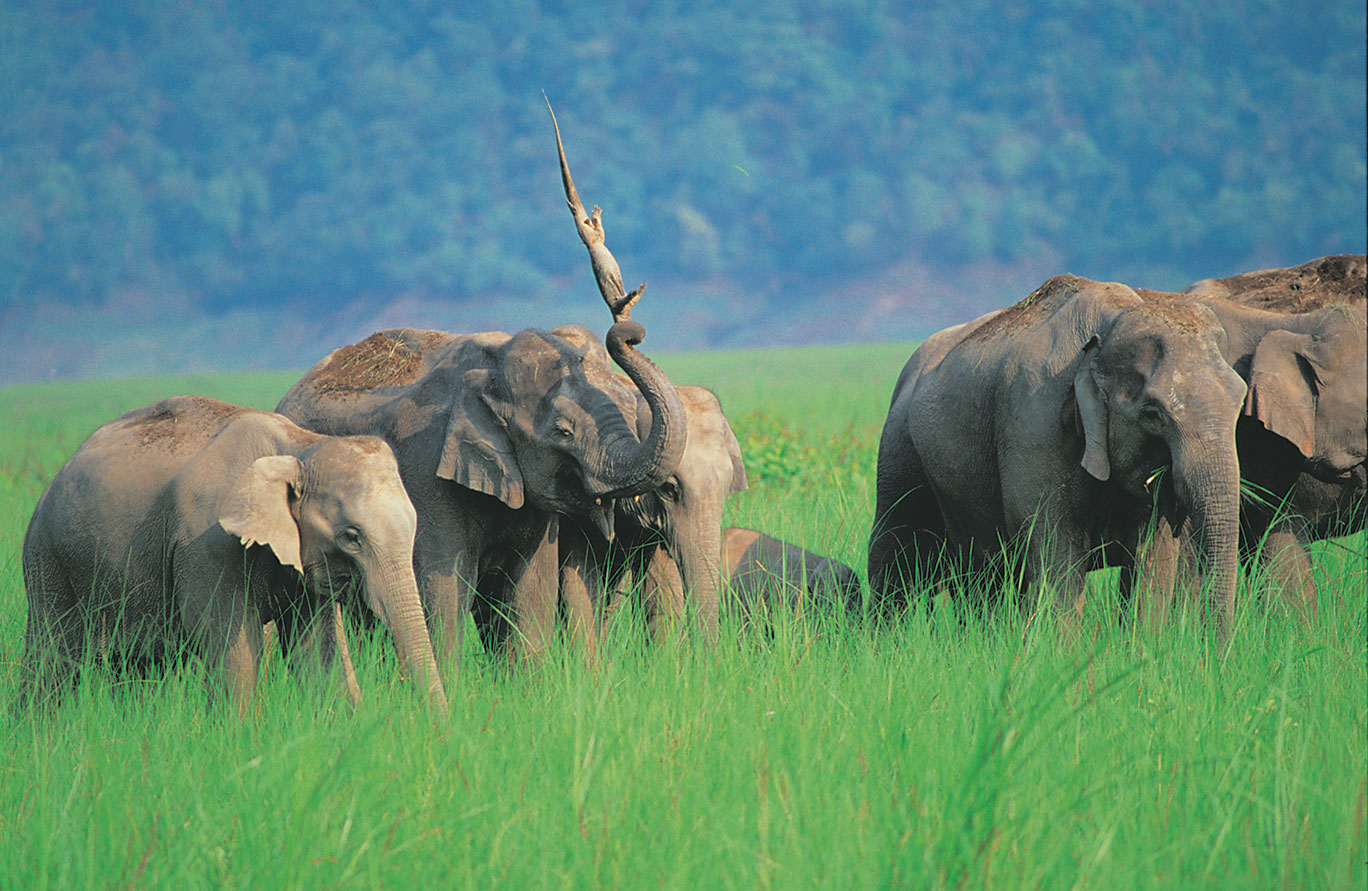
Photo: Hira Punjabi/Sanctuary Photolibrary.
I often say that I am a byproduct of Sanctuary magazine, which has been an important part of my journey as a wildlife photographer, deeply influencing the way I see and document the natural world. Winning the Sanctuary Wildlife Photography Award was a deeply emotional and proud moment, and felt like an acknowledgement of my dedication, patience and passion. My photograph stood out because of its unique moment between an elephant and a monitor lizard, strong composition and meaningful story. It captured not only something visually striking, but also the beauty and vulnerability of wildlife. The Awards play an important role in bringing wildlife and conservation issues to a wider audience. I strongly believe that there is no protection without projection. Photography documents disappearing habitats, endangered species and the impact of human activity, transforming facts into something people can see and feel.
My advice to those interested in photography is to be patient, understand animal behaviour, develop your own style, and photograph with passion, respect and purpose. A photograph can inspire people to care, and that can lead to real change.
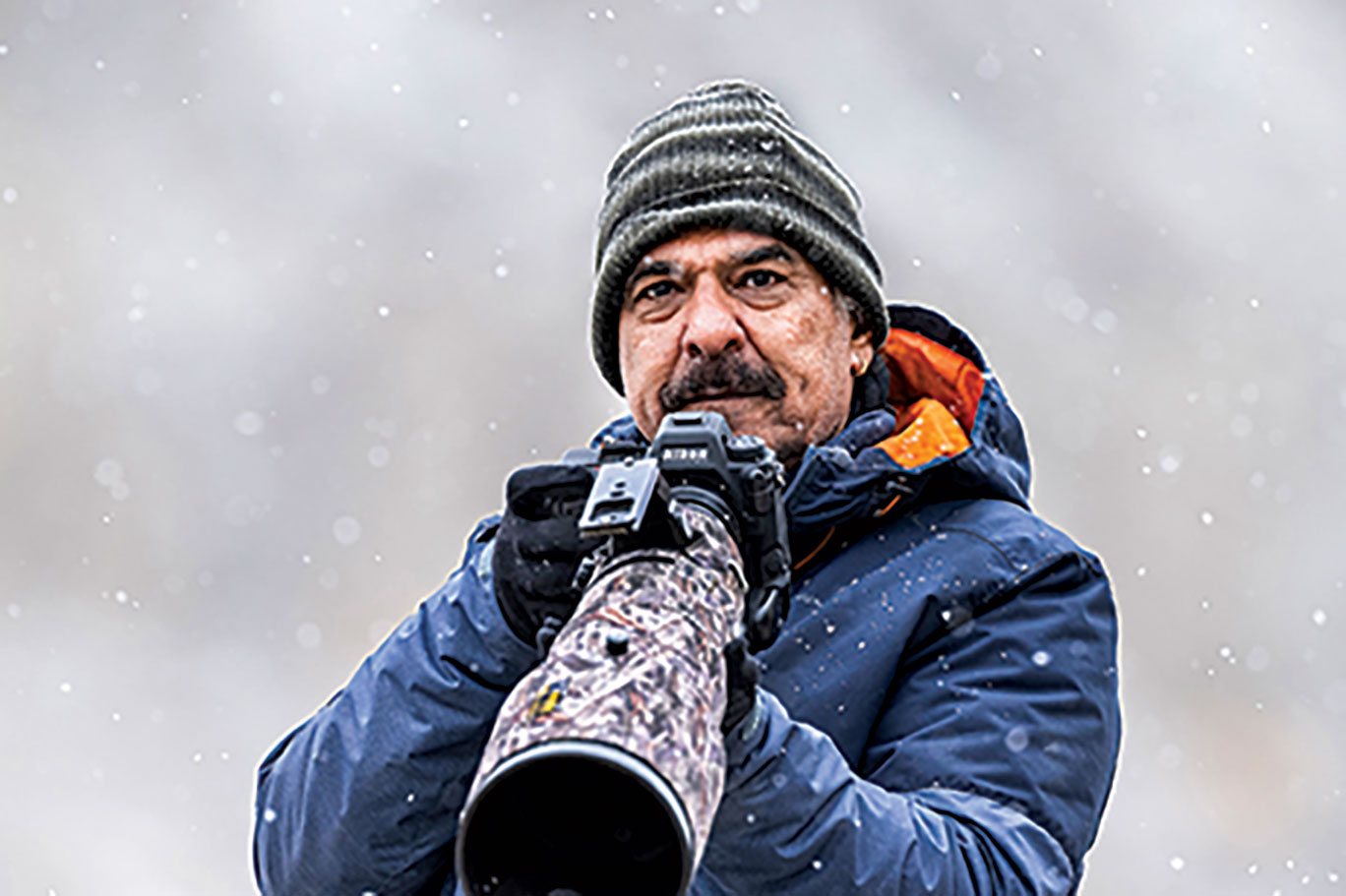
With over 30 years of experience in wildlife photography across India and around the world, Hira Punjabi has received several international awards, and his work has been published globally. He views photography as a powerful tool for conservation, one that can inspire awareness, foster empathy, and encourage action to protect the natural world.
7. Mandar Mohan Ghumare, Certificate of Merit, 2021
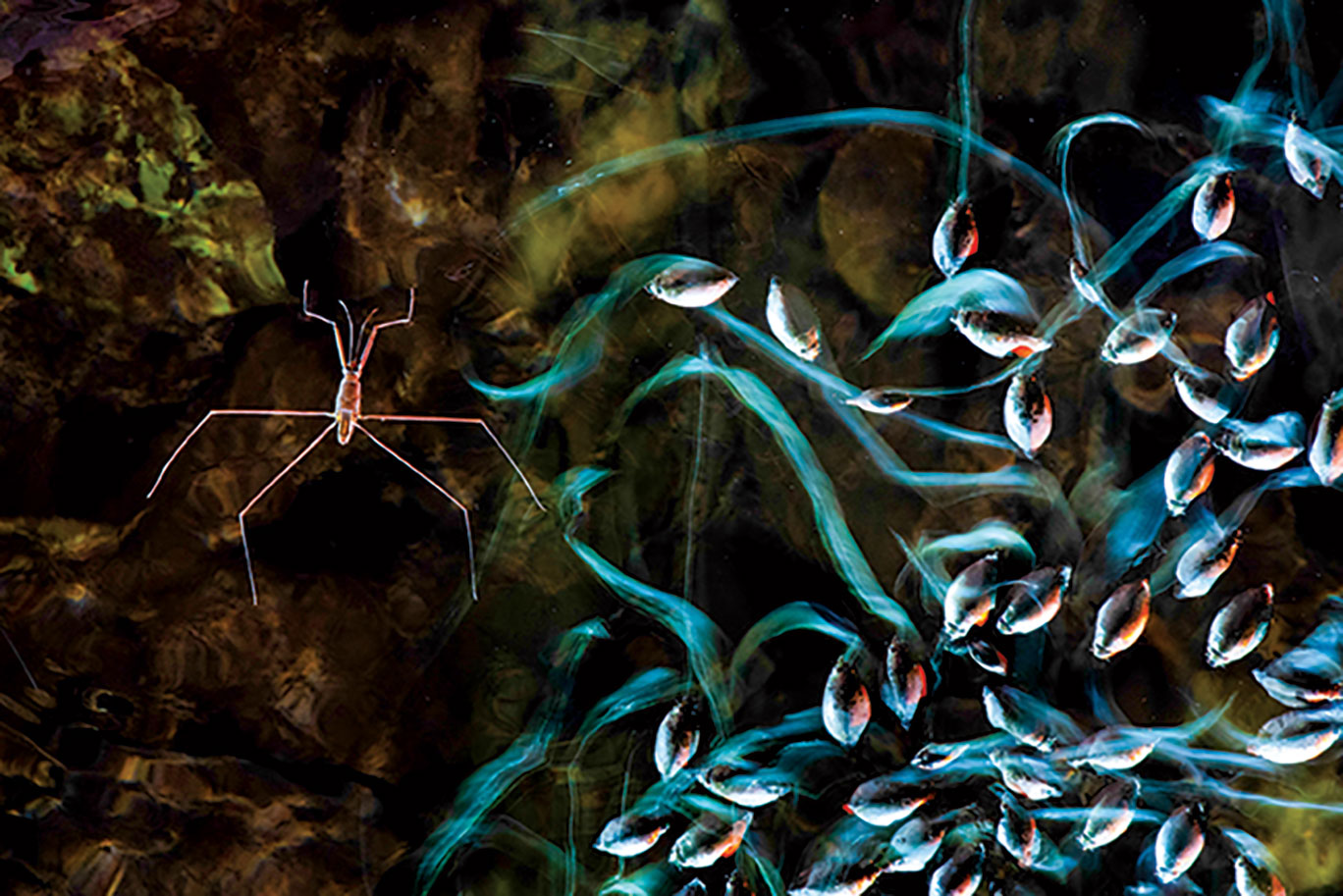
Photo: Mandar Ghumare/Sanctuary Photolibrary.
I had observed water striders and beetles for almost six years around waterbodies. This was my third visit to the same spot that week, and I waited from dusk till dawn on a rock in the water. This recognition by Sanctuary was deeply personal.
It validated every sleepless night and reminded me that the tiny worlds we often step over are just as powerful as the big predators. The award gave me the confidence to advocate for neglected wildlife. I strongly believe wildlife photography can translate scientific data into human empathy, and show that conservation begins with protecting micro-habitats, insects, and fragile food webs.
My advice to those interested in wildlife photography: Look around and observe. Sense and master light and motion. Don’t chase photographs, chase stories. As AI grows, genuine, unmanipulated moments captured with human effort will only become more valuable.
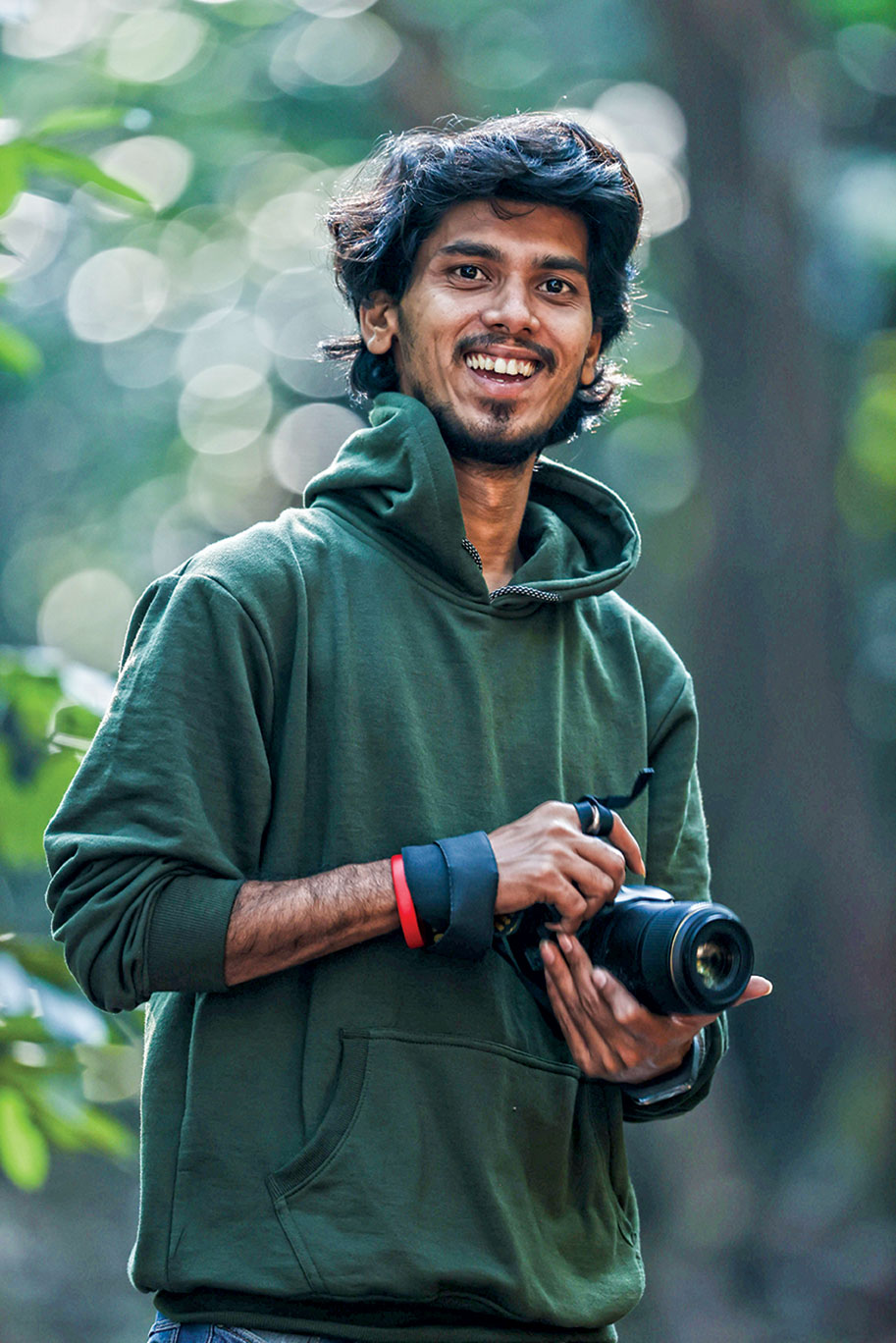
Mandar Ghumare enjoys documenting neglected micro-habitats across the Western Ghats and Konkan, while mentoring young photographers through macro workshops and photo walks.
8. Sarang Naik, Third Prize, 2018
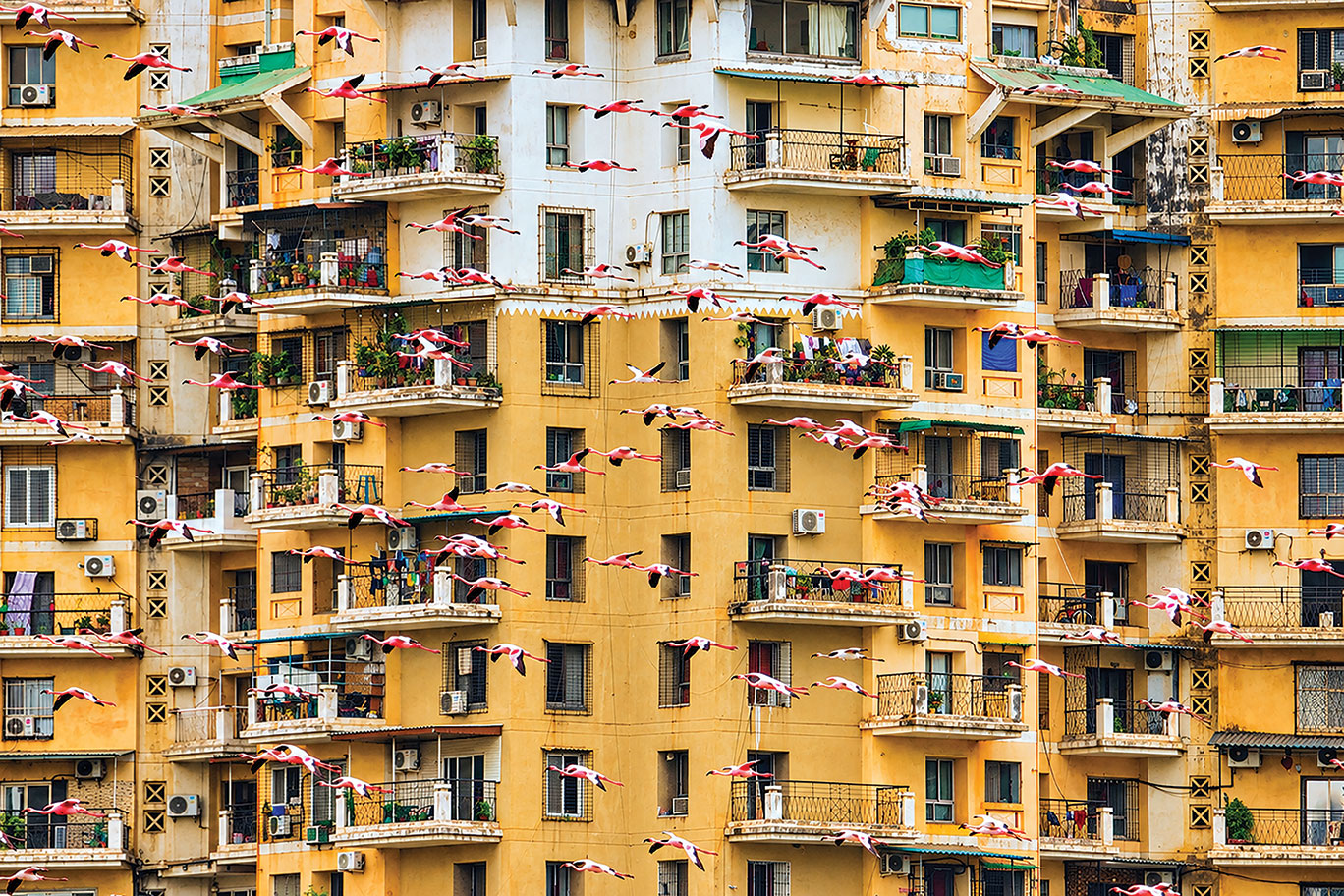
Photo: Sarang Naik/Sanctuary Photolibrary.
When I received the call, I thought it was a scam! I shared how I made the winning image. Framing the flamingos against residential buildings subverts expectations and challenges the assumption that wild spaces must remain pristine and untouched. As one of the first major photography awards, winning remains a prized memory. I had changed my style from black-and-white to colour and started documenting Mumbai’s urban wildlife. I gained confidence to continue in this new creative direction. Photography awards can raise awareness about conservation issues and highlight the work of conservationists. But don’t photograph to win awards. Take photos because you love the process and have an uncontrollable itch to share your story. Your unique perspective is your biggest strength. In wildlife and documentary photography, authenticity must remain paramount. I believe generative AI should be banned in such contests, while ethical editing tools may have a place.
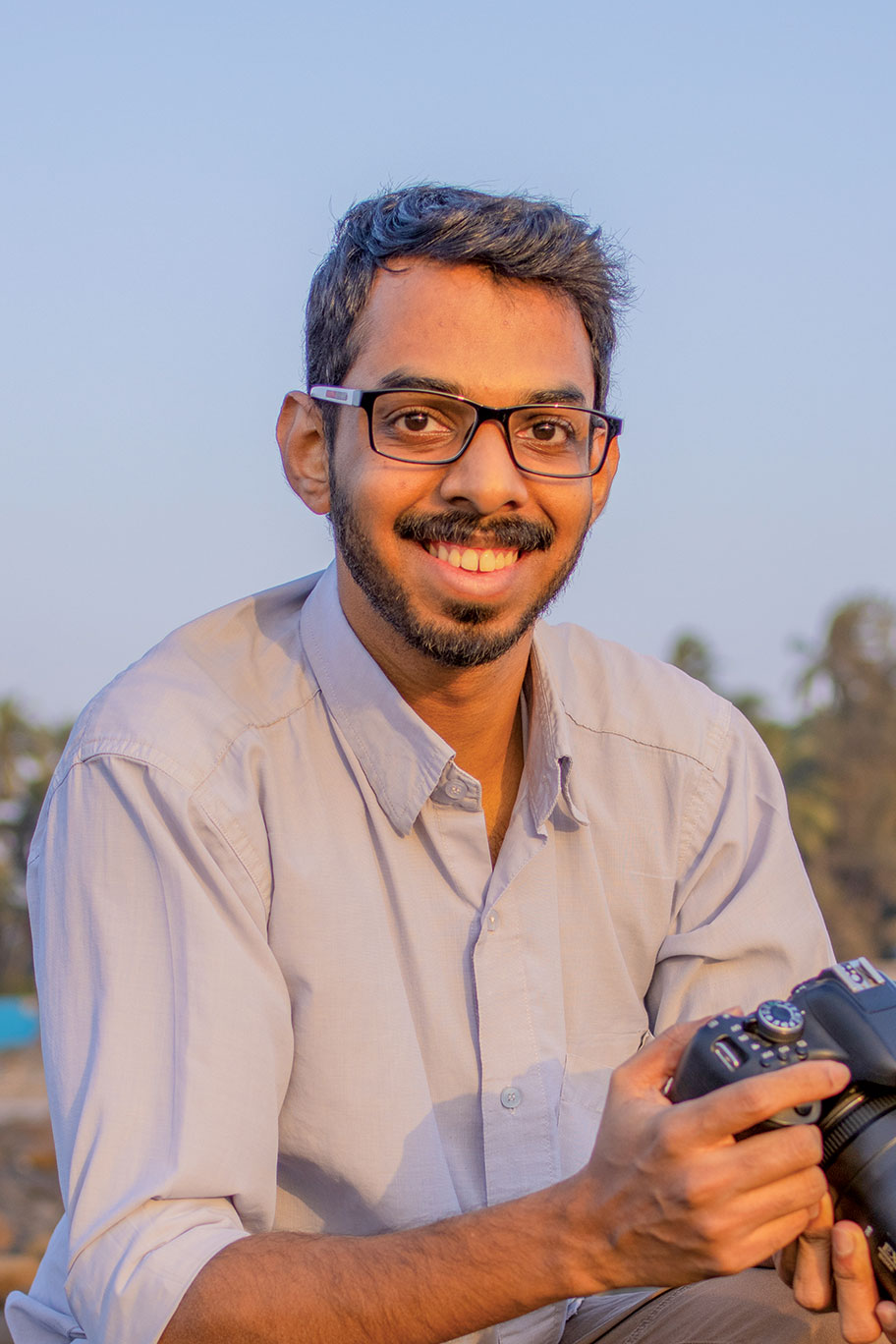
Currently, working on a short film, Swimming In The Noise, at Wild Doc Studios, Sarang Naik believes that photographers should never forget that they are doing this for the wildlife they love, and its wellbeing should always be the topmost priority.
9. Sushmitha Reddy, Third Prize, Landscape Category, 2023
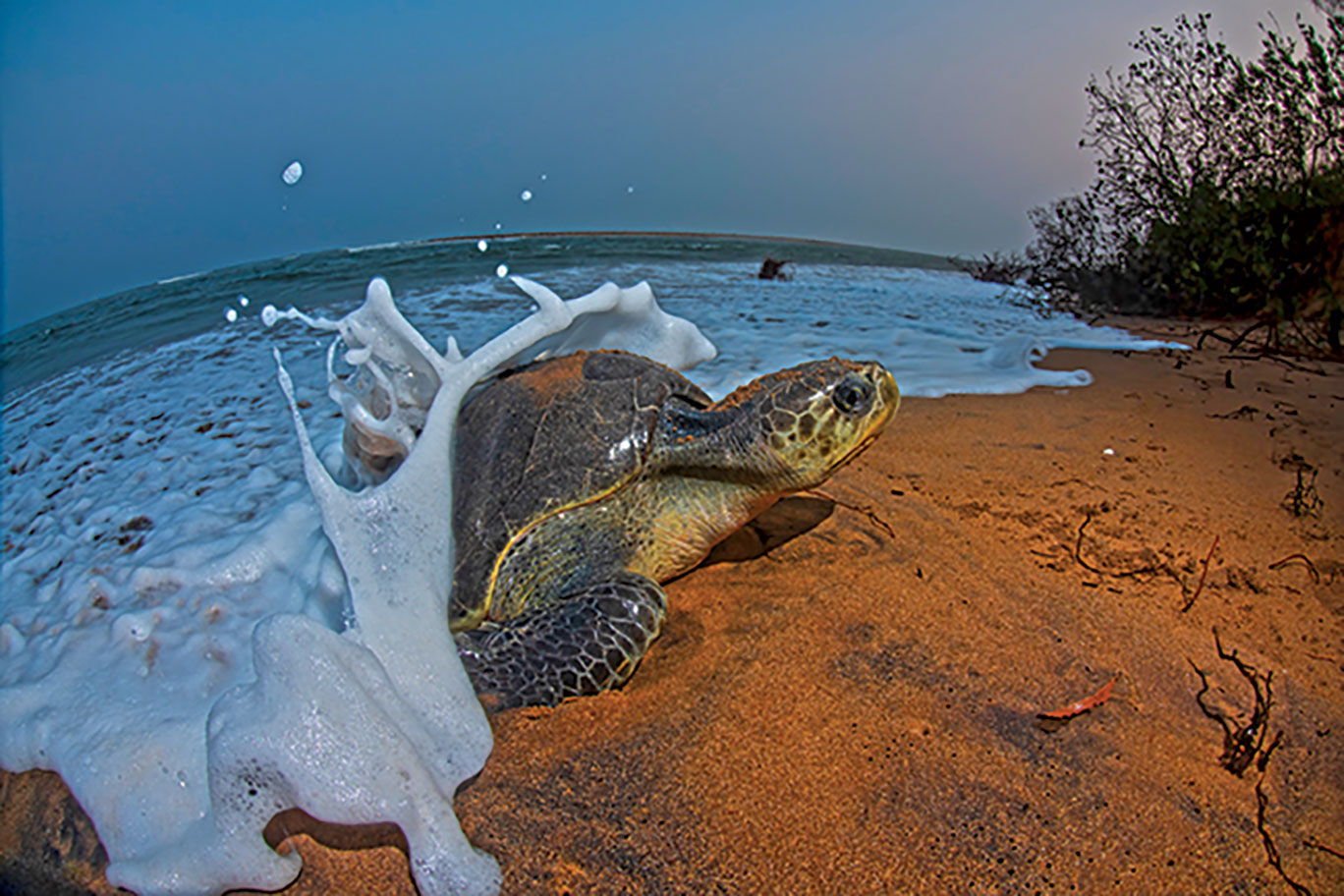
Photo: Sushmitha Reddy/Sanctuary Photolibrary.
The award was an encouraging moment in my journey as a photographer. I photograph wildlife because I enjoy being in the field, observing animals, and trying to understand and capture rare moments. Being recognised by Sanctuary was a lovely affirmation, especially because the magazine has played an important role in wildlife conservation and storytelling in India.
My winning image was particularly meaningful because of the journey behind it. I observed different stages of the olive ridley’s lifecycle – from nesting and hatching to adult females returning to the shore. In Odisha, I watched a female search for a suitable patch of dry sand on a degraded beach. Unable to find one, she returned to the sea without nesting. This quiet moment said a lot about changing nesting habitats.
For me, wildlife photography is about observing and documenting nature honestly. If an image can make someone pause and care, it has done something more.
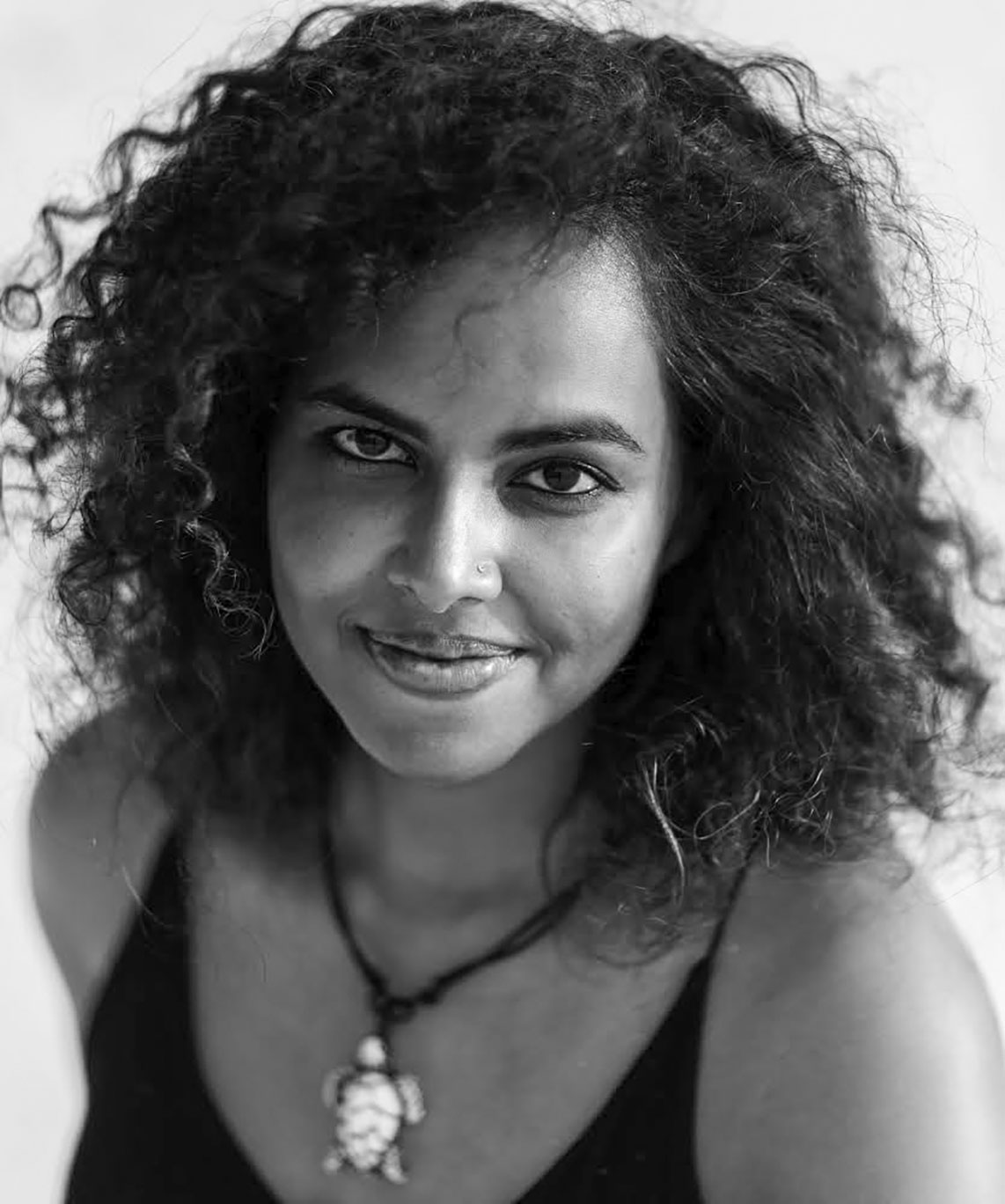
A visual storyteller exploring life on land and underwater, Sushmitha Reddy enjoys sparking conversations about the wild and our coexistence with it.