Climate Detectives
First published in Sanctuary Cub,
Vol. 46
No. 9,
September 2026
Long before technology, nature was recording the climate. Air bubbles in ice, rings in trees, cave deposits, corals, and bird poo preserve clues to the past. Scientists interpret them, much like detectives solving a case, writes Dr. Roxy Mathew Koll.
Ancient Air
Look closely at the photograph on this page. Can you guess what those tiny dots trapped inside the ice actually are? They are air bubbles, sealed away long ago. Snow fell across Antarctica, and more snow piled on top of it, year after year, slowly pressing older layers until they turned into ice. Each bubble is a miniature sample of real air from tens of thousands of years ago. Scientists drill deep into glaciers and pull out long cylinders of ice called ice cores. In the laboratory, they measure gases such as carbon dioxide and methane in these cores, both of which strongly affect how warm or cool our planet becomes.
The ice holds other clues too; forms of oxygen and hydrogen reveal how warm it once was, dust blown in from faraway deserts shows changes in winds across the Southern Ocean to the Antarctic, and a thin layer of sulphate can even mark the memory of forgotten volcanic eruption.
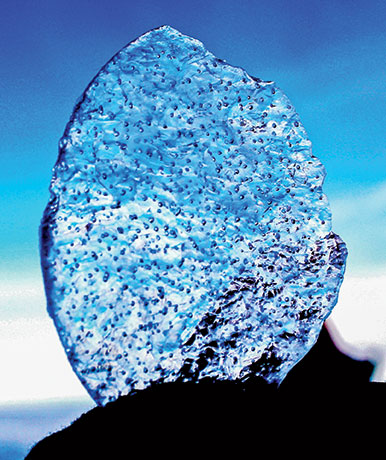
Ancient air, trapped in ice. This Antarctic ice core, about 100 m. deep, holds clues to Earth’s past climate. Photo: Dr. Thamban Meloth, National Centre For Polar And Ocean Research, Goa.
Reading The Ice
The ice core shown here came from about 100 m. below the Antarctic surface. Researchers at the National Centre for Polar and Ocean Research in Goa keep cores like this one frozen for study. One European project, ‘Beyond EPICA’, drilled almost three kilometres down into the Antarctic ice sheet and pulled up a climate record extending back at least 1.2 million years! Older ice reveals that the air today holds far more carbon dioxide than it did before and that atmospheric carbon dioxide is now about 50 per cent higher than before industrialisation, driving global warming.
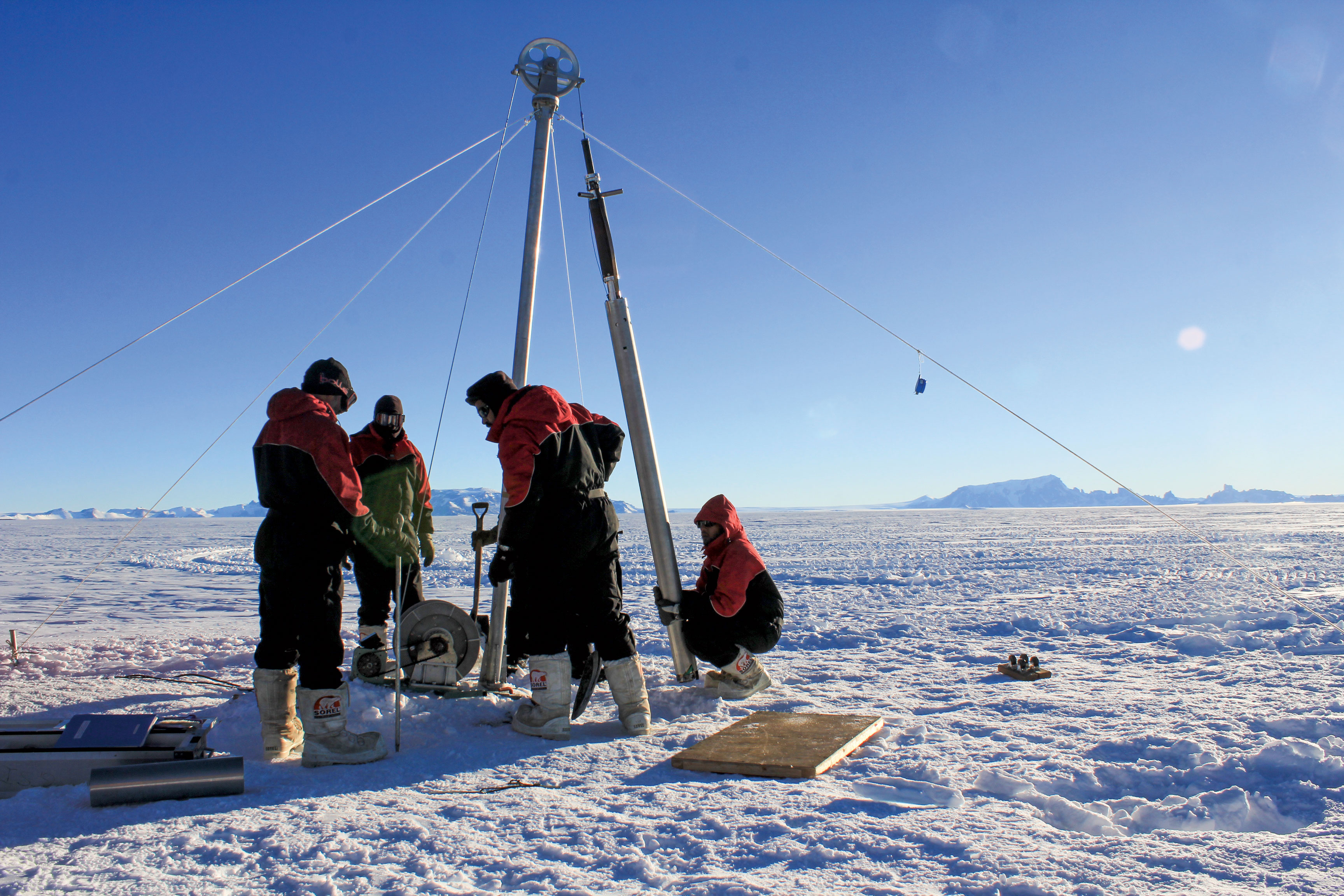
Scientists from the National Centre for Polar and Ocean Research, Goa, set up an ice-core drilling camp in Antarctica. Photo: Dr. Thamban Meloth, National Centre For Polar And Ocean Research, Goa.
Nature’s Diary
Thermometers have only existed for a few hundred years, so how could scientists learn about the climate long before that They turn detective, and read nature’s diary. A climate proxy is a natural clue that stands in for a measurement of the past climate that we could not make ourselves.
Cut across a fallen tree trunk and you may see rings. Trees add a ring each year. In many regions, the rings are narrow during droughts and wider during wet years. Deep inside dark caves, dripping water slowly builds stalactites and stalagmites over thousands of years. These cave deposits are also climate proxies.
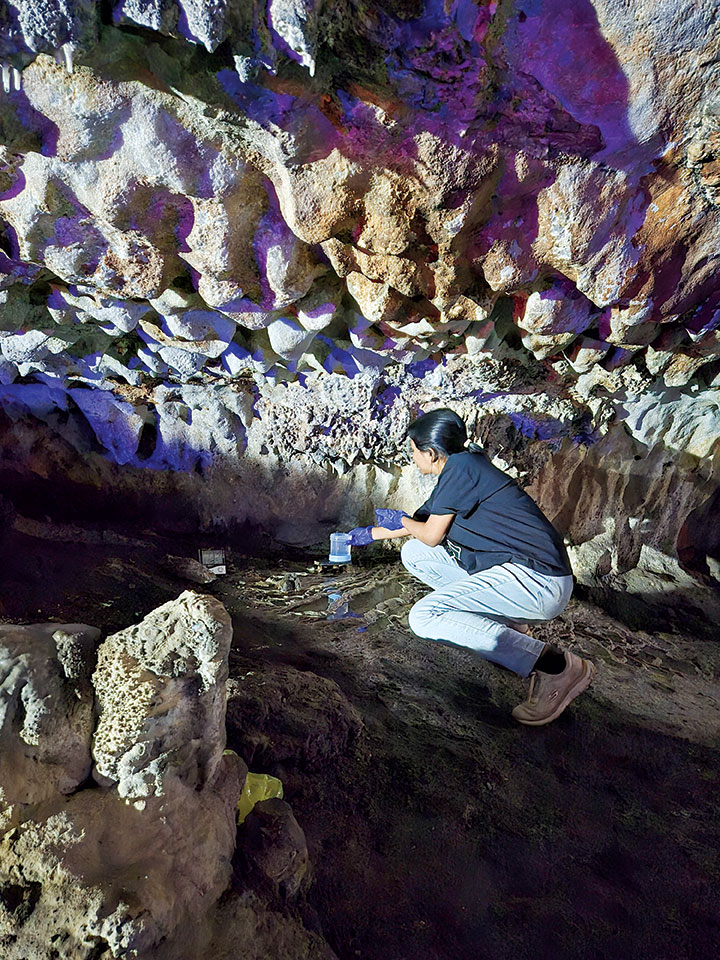
Kalyani Panchamwaro, a Ph.D. researcher, collects samples from stalactites and stalagmites from Borra Caves in Andhra Pradesh. Photo: Dr. Naveen Gandhi, Indian Institute of Tropical Meteorology, Pune.
Reading The Monsoon
Why do we need these records? India’s official rain-gauge records stretch back to the 1870s, and satellites have watched the monsoon from space only since the 1980s. That is nowhere near long enough to understand centuries of change. Tree rings and stalagmites reach further into the past, revealing droughts that may have troubled the Indus Valley Civilisation some 4,000 years ago.
Scientists date stalagmites using uranium and study oxygen isotopes, which carry information about rainfall, moisture sources and the journey of monsoon clouds. Stalagmites from India have revealed droughts lasting several years, sometimes within drier periods lasting decades.
Far below the Indian Ocean, seabed sediments store microscopic shells, plankton, pollen, dust and plant waxes from ancient times. These deposits change with monsoon winds and ocean circulation. By drilling sediment cores, scientists can trace monsoon changes across thousands, even millions, of years. Even bird poo, known as guano, keeps a surprisingly detailed record. One recent study traced mercury hidden inside seabird guano through 8,000 years of buried peat on a remote island, showing when bird colonies grew larger or shrank smaller as the climate changed around them.
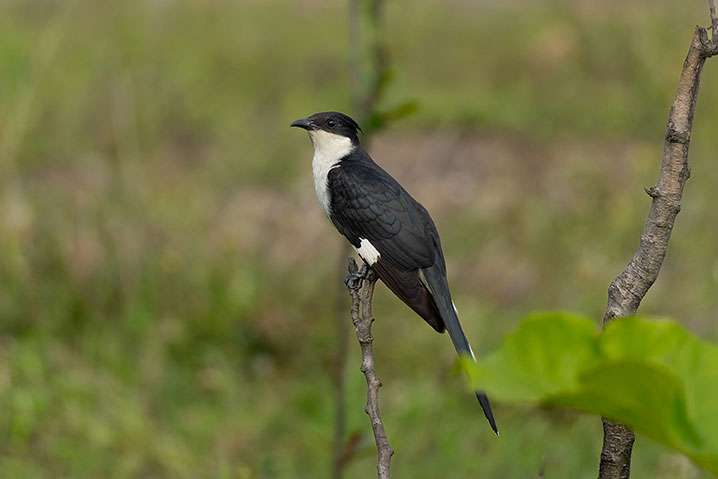
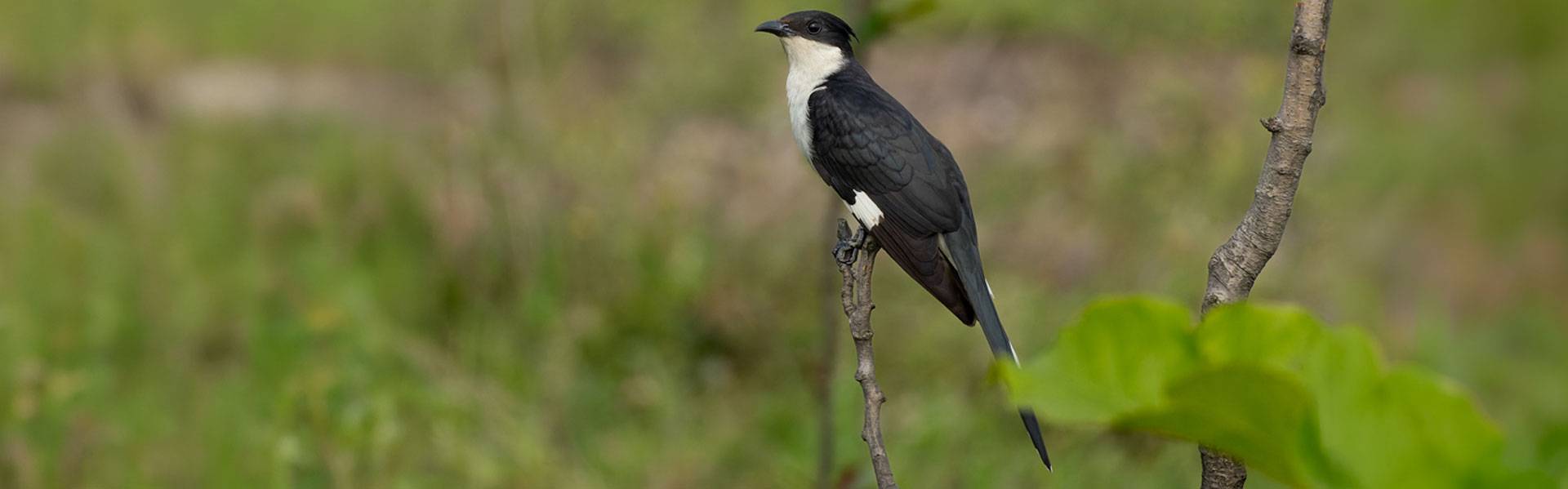
Watch for migratory birds, like the Pied Cuckoo, each year. Photo: Dr. Tisha Mukherjee/CC-BY-SA.4.0.
Your First Case
Your first case as a Climate Detective need not begin in Antarctica. Pick a question close to home. Is the monsoon arriving earlier? Does a migratory bird reach your place at the same time each year? Keep careful notes, dates and photographs, then compare them season after season. This is how a real Climate Detective works: with curiosity, patience and respect for evidence. Your questions may take you into physics, chemistry, biology, geology, or even computer coding. Nature has preserved all the clues. Ask the right question, and follow the evidence wherever it leads!
Dr. Roxy Mathew Koll is a climate scientist at the Indian Institute of Tropical Meteorology.