When Grasslands Remember The Rain
First published in Sanctuary Asia,
Vol. 46
No. 8,
August 2026
By Parag Jyoti Deka
Long before the first drops of rain fall over Assam's grasslands, pygmy hogs Porcula salvania know that the monsoon is coming. Even before humans notice any weather changes, they begin repairing and strengthening their nests with unusual urgency, carefully adding fresh thatch leaves to existing nests. Then, often within a few hours, the rains arrive.
I have seen this happen repeatedly and find it fascinating. Pygmy hogs build and maintain their nests throughout the year. They are the only wild pig – and among the few mammals in the world – known to build and use nests throughout the year, rather than only for breeding. Made from the leaves of thatch grasses such as Saccharum narenga, Imperata cylindrica, and Saccharum spontaneum, these dome-shaped nests are carefully concealed within dense grasslands.
Individuals of all ages and both sexes build nests, with entire family groups often resting and sleeping together in them. Females also rear young in these shelters, which provide protection from predators and extreme weather, remaining cooler in summer, warmer in winter, and often dry even after heavy rain.
For an animal that spends most of its life hidden beneath dense grass cover, the apparent ability to anticipate rainfall seems extraordinary. Yet, it is likely the result of evolving in a landscape where life has always been shaped by water.
In Assam, the monsoon is not just a season. It influences when rivers rise, when farmers prepare their fields, and when grasslands renew themselves. It determines the availability of food for wildlife and creates conditions that shape the lives of countless species.
Over nearly three decades of working with pygmy hogs, I have come to realise that understanding this tiny mammal means understanding the monsoon itself.
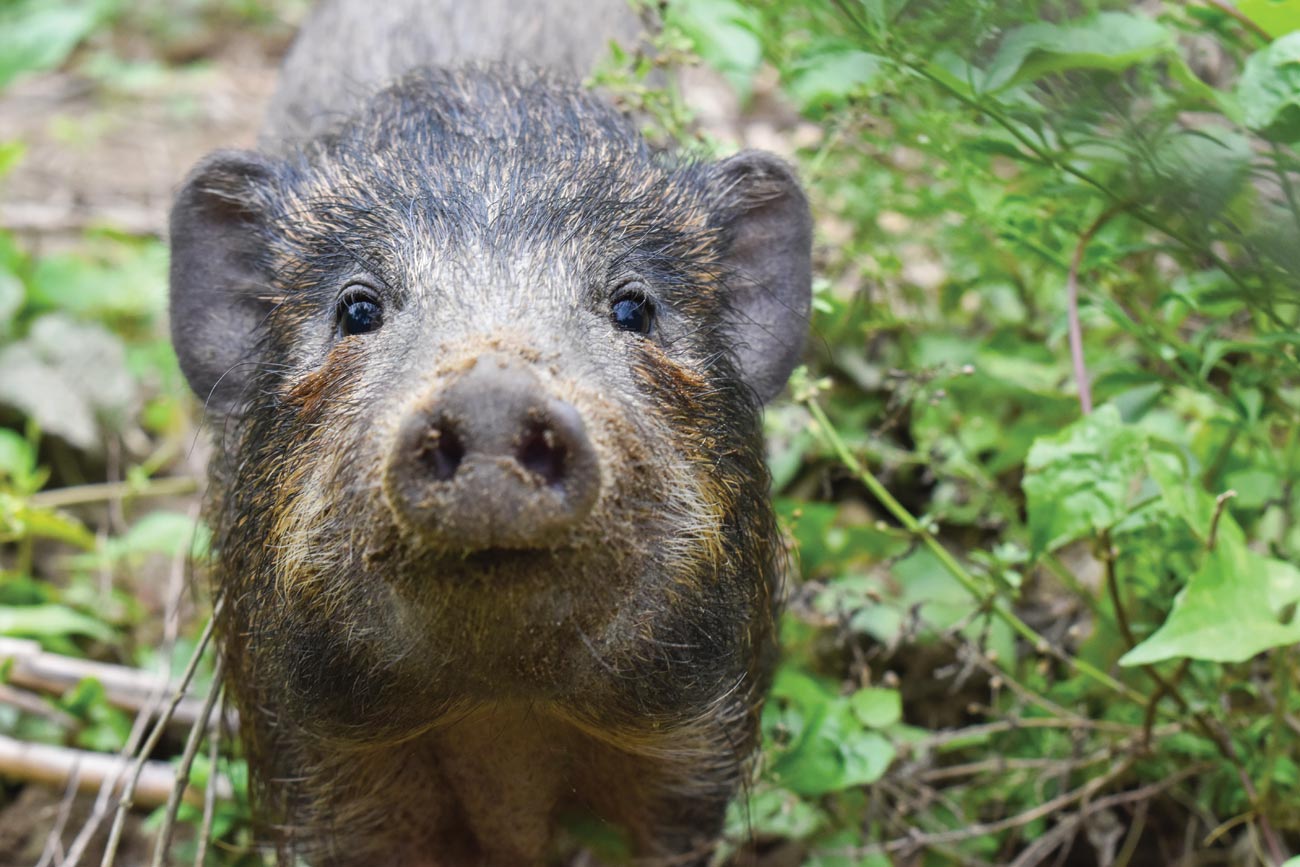
The pygmy hog is the world's smallest and rarest wild pig. This endangered species survives in a handful of grassland landscapes in Assam. Photo: Parag Deka.
Shaped By The Monsoon
Few have seen a pygmy hog in the wild. The world's smallest and rarest wild pig, this endangered species survives in a handful of grassland landscapes in Assam. No larger than a domestic cat, it spends much of its life concealed within dense grasses, constructing nests from dry vegetation and moving through pathways that are almost impossible to detect. Even my own encounters with pygmy hogs in the wild have been rare, making every observation invaluable.
The relationship between the pygmy hog and the monsoon begins long before the rains arrive. Breeding generally occurs between the end of October and early January. Around five months later, between late April and June, females give birth.
The timing is significant. As the pre-monsoon showers arrive, the grasslands begin to transform. The soil softens, making it easier for the animals to forage. Insects such as ants, termites and beetles become abundant, providing important nutrition for mothers and, later, for hoglets venturing outside their nests for the first time. Within weeks of birth, young pygmy hogs begin exploring a landscape that is itself undergoing renewal.
The monsoon has long shaped life in Assam. The showers associated with Bordoisila (the pre-monsoon thunderstorms and squalls that occur in Assam and neighbouring regions of northeast India during the spring, typically between March and April) are deeply embedded in local memory, signalling the transition from one season to the next. Across the state, rivers swell, fields are prepared and the countryside takes on a different character.
Wildlife responds too.
One observation shared by a colleague perfectly illustrates how closely pygmy hogs remain tied to the seasonal dynamics of Assam's grasslands. Through years of conservation efforts, we have successfully re-established pygmy hogs in Assam's Orang landscape, and the animals found there today are wild individuals born after the last reintroductions took place in 2015.
During the mating season, a colleague monitoring these animals observed a male moving through the grasslands in search of a female. Pygmy hogs generally occupy higher, well-drained grasslands, but seasonal rains often leave behind small channels and wet patches within the landscape.
Where the water was shallow, the hog managed to jump across such a channel. Where it was deeper, it swam. It soon disappeared into the tall grasses. My colleague managed to record this remarkable behaviour on video, which he shared with our team; there was genuine excitement. Pygmy hogs are among the most elusive mammals in the world, and such observations were extremely rare, and also a reminder that the monsoon continues to influence these landscapes long after the rains have ended. Floods retreat, but they leave behind habitats that wildlife must continue to navigate.
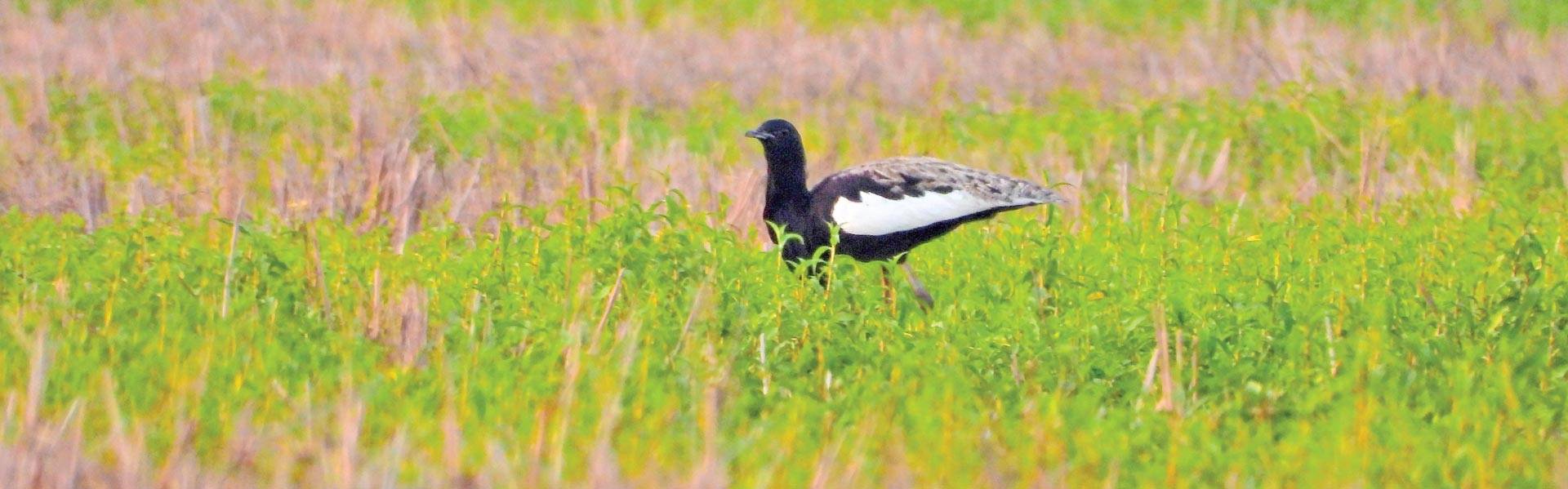
The pygmy hog is not the only species whose life follows the rhythm of the rains. Across Assam's grasslands, Bengal Floricans Houbaropsis bengalensis begin their breeding displays during the pre-monsoon period. Before the grasses grow too tall, males leap above the vegetation in an effort to attract females hidden below. For a brief period each year, the grasslands become stages for one of the most remarkable spectacles in the avian world.
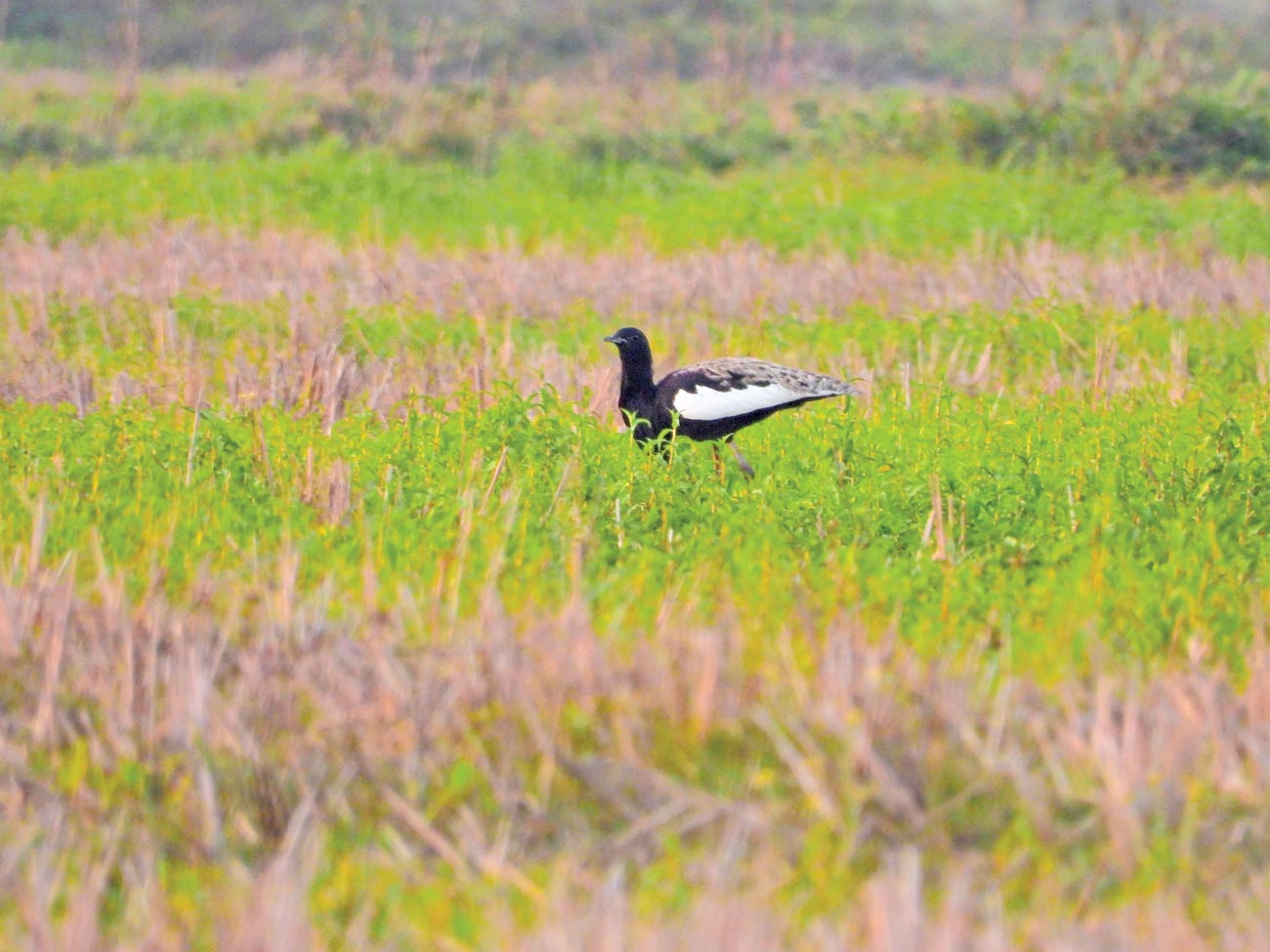
The pygmy hog shares its vital grassland habitat with other endangered species such as the Bengal Florican, which is also dependent on grasslands and regular monsoons for breeding. Photo: Kaushik Sarkar.
Rhythms Of The Seasons
Spending time in such landscapes changes the way one views them. At first glance, grasslands can appear simple. But over time, patterns emerge. Rainfall influences vegetation, vegetation influences insects and insects, in turn, support other forms of life. The interconnectedness becomes increasingly apparent. For those of us working in conservation, understanding these seasonal rhythms is essential.
Grasslands are dynamic ecosystems. They are shaped by flooding, rainfall and, in some situations, fire. Conserving species such as the pygmy hog requires us to work with these ecological processes rather than against them. Over the years, our understanding of grassland management has evolved considerably.
Historically, grasslands were subjected to random and extensive burning during the dry season, largely to promote fresh grass growth for larger herbivores. However, we gradually recognised that the timing, extent and pattern of burning also have vital implications for smaller grassland specialists such as the pygmy hog. This led us to propose carefully timed controlled burning and block burning, allowing some areas to regenerate while others continued to provide refuge wfor wildlife.
Since 2019, with support from The Habitats Trust, we have conducted scientific studies to understand the effects of different burning regimes on grassland habitats and wildlife. We have also established weather stations and groundwater monitoring systems to generate long-term datasets that help us better understand how changing rainfall patterns and climate may influence Assam's grasslands.
Grassland conservation is often described in terms of species recovery, but in reality it is just as much about understanding ecological processes. The goal is not simply to manage vegetation, but to maintain habitats capable of supporting the diversity of life that depends upon them. In Assam, that work is inseparable from the rhythms of the monsoon. Its influence is evident even in the way we approach species recovery programmes. Before captive-bred pygmy hogs are released into the wild, they spend several months in pre-release facilities, where they gradually adapt to conditions resembling those they will encounter outside. w these releases carefully is important.
By the time the animals are ready, the grasslands have usually begun to change. Fresh vegetation emerges, insect populations increase, and the habitat provides both food and cowver. Releasing animals into such conditions improves their chances of survival. Conservation planning, therefore, often follows the same seasonal cues that wildlife has responded to for generations.
The same applies to habitat restoration. Across Assam's grasslands, restoration efforts frequently coincide with seasonal rainfall. Native grasses establish more successfully when soil moisture is adequate, and degraded areas often recover better when interventions are aligned with natural cycles. Several of these long-term efforts have been strengthened through support from organisations such as The Habitats Trust. Such partnerships are invaluable because meaningful conservation in dynamic ecosystems requires sustained commitment over many years.
The influence of the monsoon extends far beyond conservation programmes, of course. In villages surrounding Assam's Protected Areas, the rains signal the beginning of one of the busiest times of the year. Fields are prepared, paddy cultivation begins and families organise their lives around seasonal changes that have shaped livelihoods for generations.
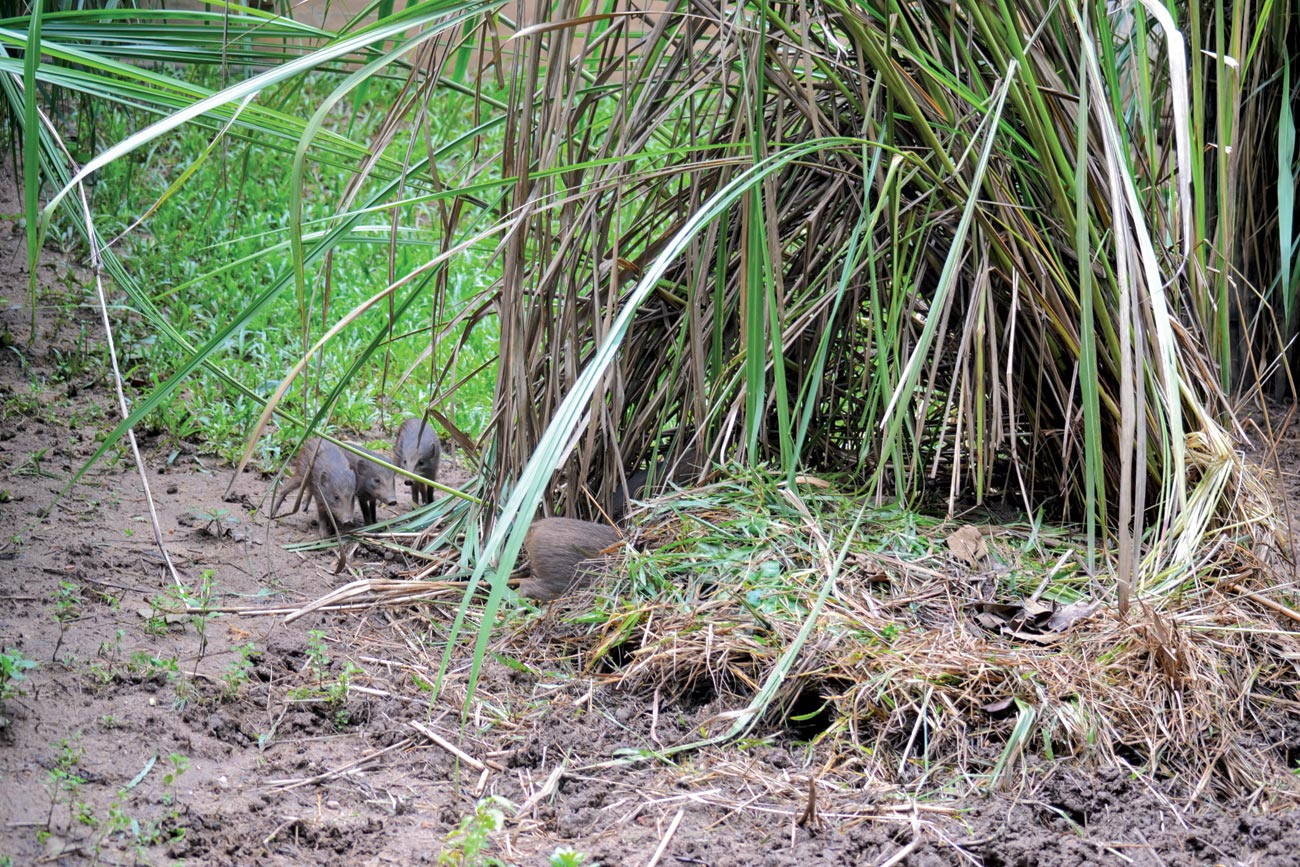
A female pygmy hog darts into her nest, followed by a bevy of hoglets. They are the only wild pigs – and among the few mammals in the world – known to build and use nests year-round, rather than only during breeding. Photo: Parag Deka.
Interdependencies
Conservation cannot exist in isolation from these realities. Our work has increasingly emphasised the importance of engaging with communities living alongside grassland ecosystems. Hidden in dense vegetation, pygmy hogs quietly go about their lives unnoticed. Even people living close to important grassland habitats know very little about them.
I have often found this remarkable. How can an animal be so close, yet remain unseen? Perhaps this is one reason why the pygmy hog has become such an effective ambassador for grassland conservation. In learning about this small, elusive species, people often begin to appreciate the habitats it depends upon, and the wider ecological significance of grasslands. The grasslands themselves provide an important example of how closely nature and human
well-being are linked.
The sub-Himalayan regions of Assam receive substantial rainfall every year. Under such conditions, grasslands perform ecological functions that often go unnoticed. They absorb rainfall, reduce erosion and gradually release water back into the landscape. Their extensive root systems help stabilise soils and reduce the impacts of intense runoff. In a region where heavy rainfall is a regular feature of life, these functions are invaluable. When grasslands are degraded or lost, those benefits diminish. Water moves more rapidly across the surface, erosion increases and ecological resilience declines. Protecting these habitats therefore benefits both biodiversity and people. Today, however, one of the greatest uncertainties facing Assam's grasslands is the changing nature of the monsoon itself.
Throughout my years working in these landscapes, I have observed shifts that are increasingly difficult to ignore. Intense rainfall events may be followed by prolonged dry spells. Heatwaves occur during periods that were once more predictable, and extreme weather appears to be becoming more common.
For species whose lives evolved around seasonal patterns, this uncertainty raises important questions. The breeding cycle of the pygmy hog, the regeneration of grasslands, and the availability of food are all closely linked to rainfall and seasonal changes. Long-term monitoring of weather, groundwater and grassland conditions is therefore becoming increasingly important. These observations are helping us understand how changing rainfall patterns and climate may influence grassland ecosystems and the species that depend upon them.
While many questions remain unanswered, such long-term observations may help us better understand how the monsoon itself is changing and what those changes could mean for Assam's grasslands.
The breeding cycle of the pygmy hog depends on environmental conditions that have remained relatively stable over long periods. Food availability, vegetation growth, and habitat quality are all linked, directly or indirectly, to rainfall patterns. What happens when those patterns become less predictable? The same question applies to Bengal Floricans, grassland vegetation and countless other species that depend upon these ecosystems.
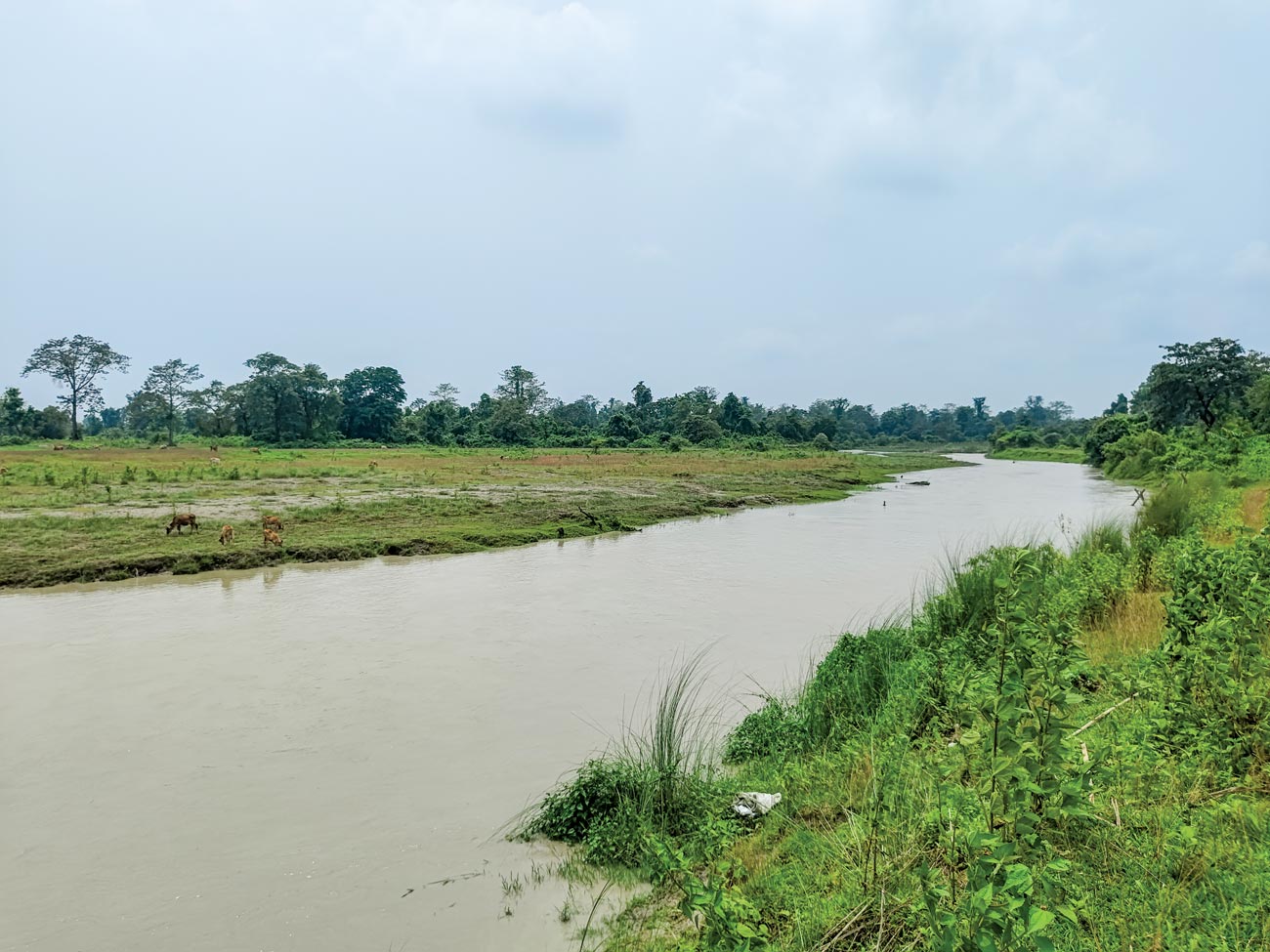
The health of Assam's grasslands depends upon relationships that have developed over thousands of years. Rainfall, rivers, vegetation, wildlife and human communities are interconnected. The pygmy hog reminds us of those connections. Photo: Shriman Bhatt.
The truth is that we do not yet have all the answers.
One of the things conservation teaches us is humility. Ecosystems are complex, and small changes can have consequences that only become apparent over time. Continued monitoring, research and collaboration will be essential if we hope to understand and respond to these emerging challenges.
What we do know is that the health of Assam's grasslands depends upon relationships that have developed over thousands of years. Rainfall, rivers, vegetation, wildlife and human communities are interconnected. The pygmy hog reminds us of just those connections.
After nearly three decades of working in these landscapes, I have come to appreciate how much of life here depends upon the rains. The monsoon influences wildlife behaviour, conservation planning, and the lives of people living alongside these ecosystems. It determines when rivers rise, when fields are cultivated, and when grasslands renew themselves.
The monsoon is not merely an annual event marked by rainfall totals and weather forecasts. It is a process that sustains life across Assam's grasslands. Understanding that process is essential if we hope to conserve the species and ecosystems that depend upon it. And sometimes, the most profound insights come from the smallest inhabitants of the landscape.
Dr. Parag Jyoti Deka is the Project Director of the Pygmy Hog Conservation Programme (PHCP) Durrell Wildlife Conservation Trust, Programme Manager of Aaranyak's Threatened Species Recovery Programme (TSRP), and Co-chair of the IUCN SSC Wild Pig Specialist Group. Since 1997, he has worked towards pygmy hog recovery and grassland conservation across Assam, contributing to the species' recovery from Critically Endangered to Endangered. PHC is a collaborative Species Recovery Programme of the Assam Forest Department, Durrell Wildlife Conservation Trust, IUCN SSC Wild Pig Specialist Group, Aaranyak and EcoSystems-India.