Nature, Our Muse
First published in Sanctuary Cub,
Vol. 46
No. 7,
July 2026
Mother Nature has always inspired human creativity. Her designs have influenced technology, architecture, design, and fashion. Like the aeroplane’s upturned wing tips inspired by raptors, nature ignites human imagination! By Meena Subramaniam.
Around 15,000 to 17,000 years ago, early humans dipped their hands in rich, earthy pigments and used brushes made of animal hair, using primitive tools to engrave and embellish the cave walls in Lascaux, France, with depictions of animals. There are totem carvings of birds and animals, jewellery made of animal bones and feathers, and songlines and art created by many Indigenous cultures. Art has always been humanity’s language for intimate conversations with the natural world.
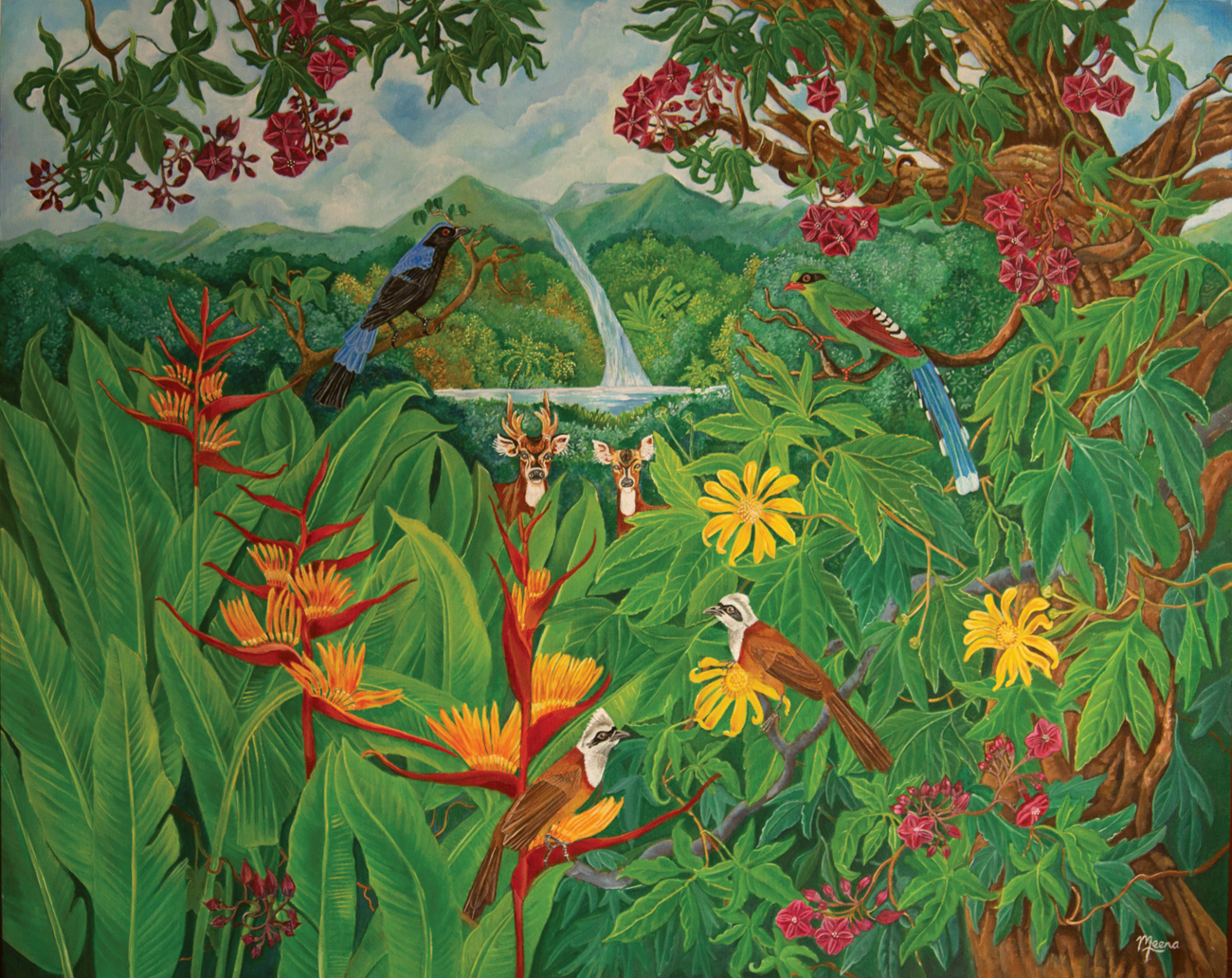
Art helps us slow down and pay attention. When we draw or paint a vulnerable habitat, we begin to understand its fragility. Photo: Meena Subramaniam.
As Inspiration
Modern humans have frequently forged new ways of creating art, from the Byzantine era’s exaggerated landscapes to Impressionist masters such as Claude Monet and his lily ponds. The Greeks and Romans personified Gods and Goddesses with elements of nature. Plants such as canthus, wheat, grape and ivy have been carved onto monuments. Exquisite granite carvings in South Indian temples depict fern-like fronds, trees, creepers and animals.
Dutch and French landscape artists celebrated Earth’s magnitude, and minimised humans to insignificance. Albrecht Dürer laid a strong foundation with ‘Great Piece of Turf’, inviting viewers to observe the microcosm in the macrocosm. Victorian women rendered detailed drawings of flora and insect life. Elizabeth Gould focused on birds through painstaking lithographs with John Gould. Mughal court painters documented natural history, and Ustad Mansur in Emperor Jehangir’s court even painted a dodo and chameleon in miniature style. Colonialists commissioned artists to render tropical flora and fauna.
Today, nature and conservation artists continue this tradition while confronting habitat loss, climate change, and disappearing species.
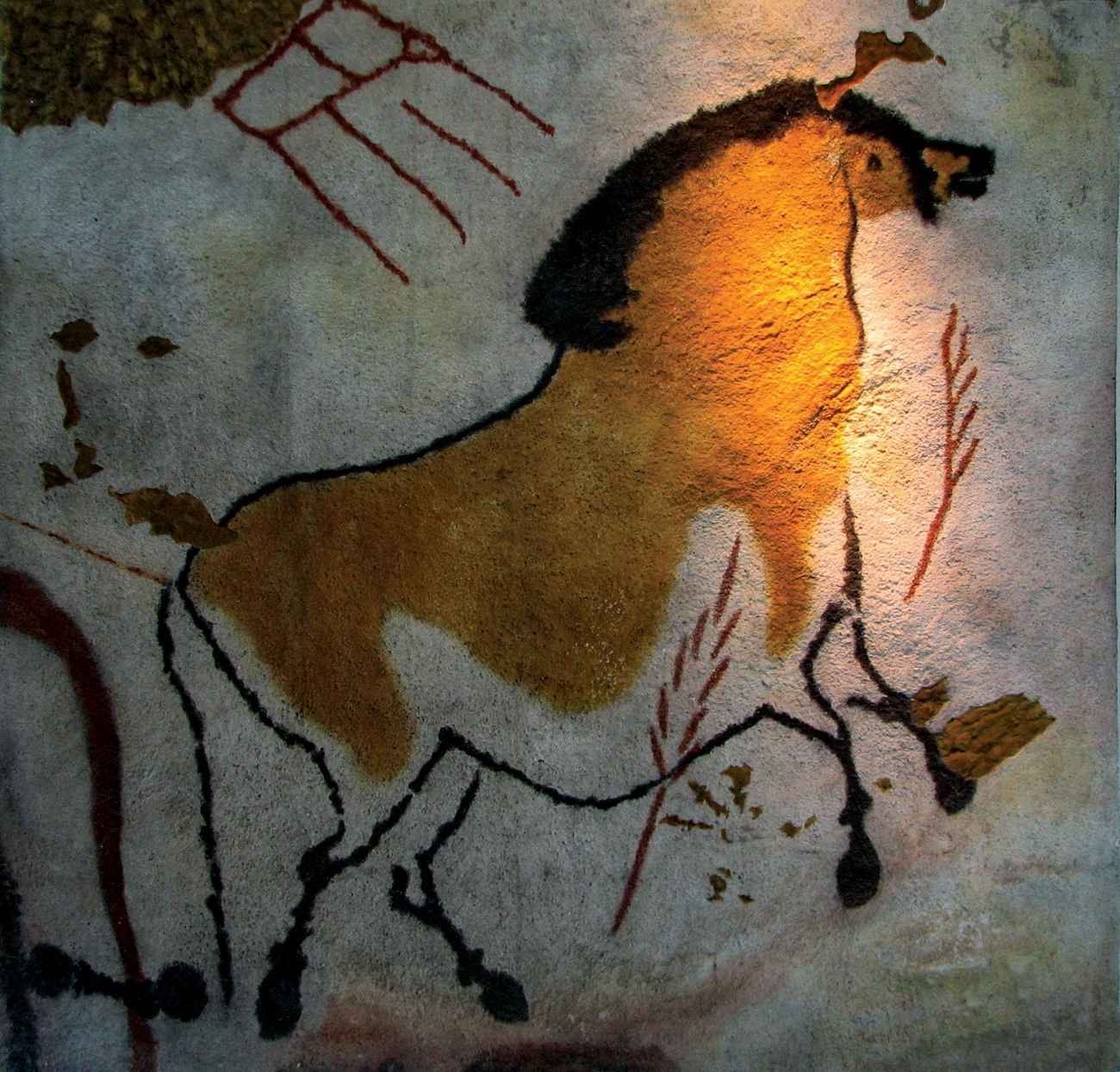
The Lascaux horses are famous cave paintings from 17,000 years ago. Photo: Public Domain.
As Ecological Memory
I create vibrant acrylic paintings celebrating a fraction of India’s biodiversity. My canvases have plants and birds, mingling forests and gardens. These works are born from love and respect for both the wild and the tended. A garden with native trees and weeds offers nectar, fruit, flowers, and seeds where the wild habitat shrinks. Each painting becomes a visual archive and love letter in this moment of rapid change.
In an age of distraction, picking up a brush or sketchbook forces us to slow down and observe. Before an empty canvas, I enter a relationship with memories of nature. Evergreen ecosystems captivate me. Self-taught, I vacillate between gardener and painter. Through my work, I hope to communicate celebration and gentle urgency: “Look closer!”
In an era of ecological crisis, art offers hope, reminding us what still thrives and what we can yet save. We are participants in nature’s living masterpiece. Younger generations must become keen observers first. Carry a sketchbook into a forest, park or backyard. Notice ants on a leaf, leaf shapes, and creatures on plants. Art does not demand perfection; it asks for presence. Creative practice sharpens attention, empathy, pattern recognition, resilience and joy in complexity. Children who fall in love with nature through art are far more likely to fight for her survival.
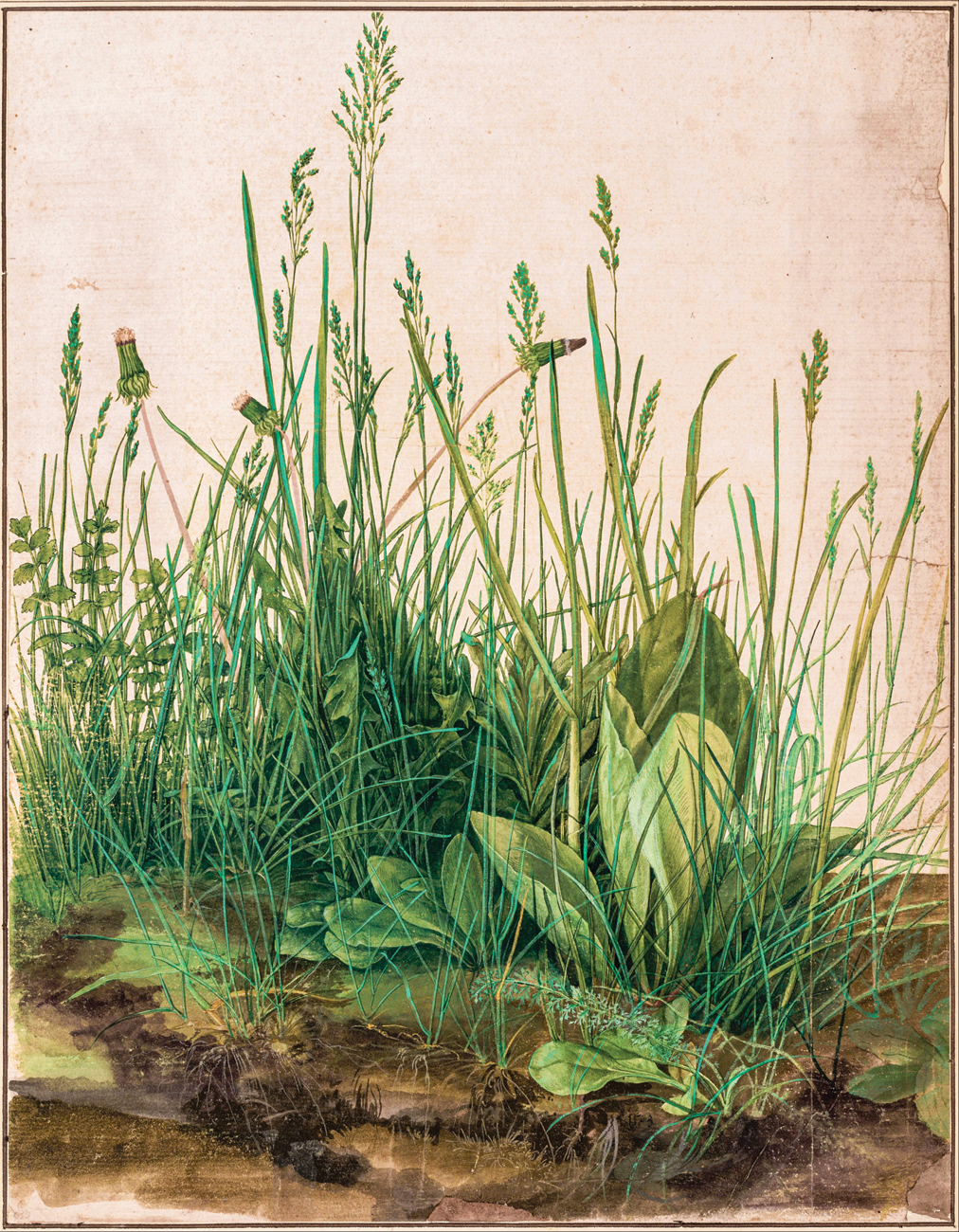
Albrecht Dürer’s realistic plant study changed art with stunning natural detail. Photo: Public Domain Albrecht Dürer.
As Responsibility
Nature has given us food, inspiration, materials, and meaning. Through art, we return the gift by caring deeply and acting wisely, so future generations inherit thriving wild spaces filled with myriad life forms, not just images and films.
Nature-inspired art carries ancient ecological knowledge and survival wisdom forward while confronting climate change and extinction. Art turns facts into personal connection. It builds respect, fosters care and inspires action. You cannot draw the beauty of a threatened habitat without feeling its vulnerability.
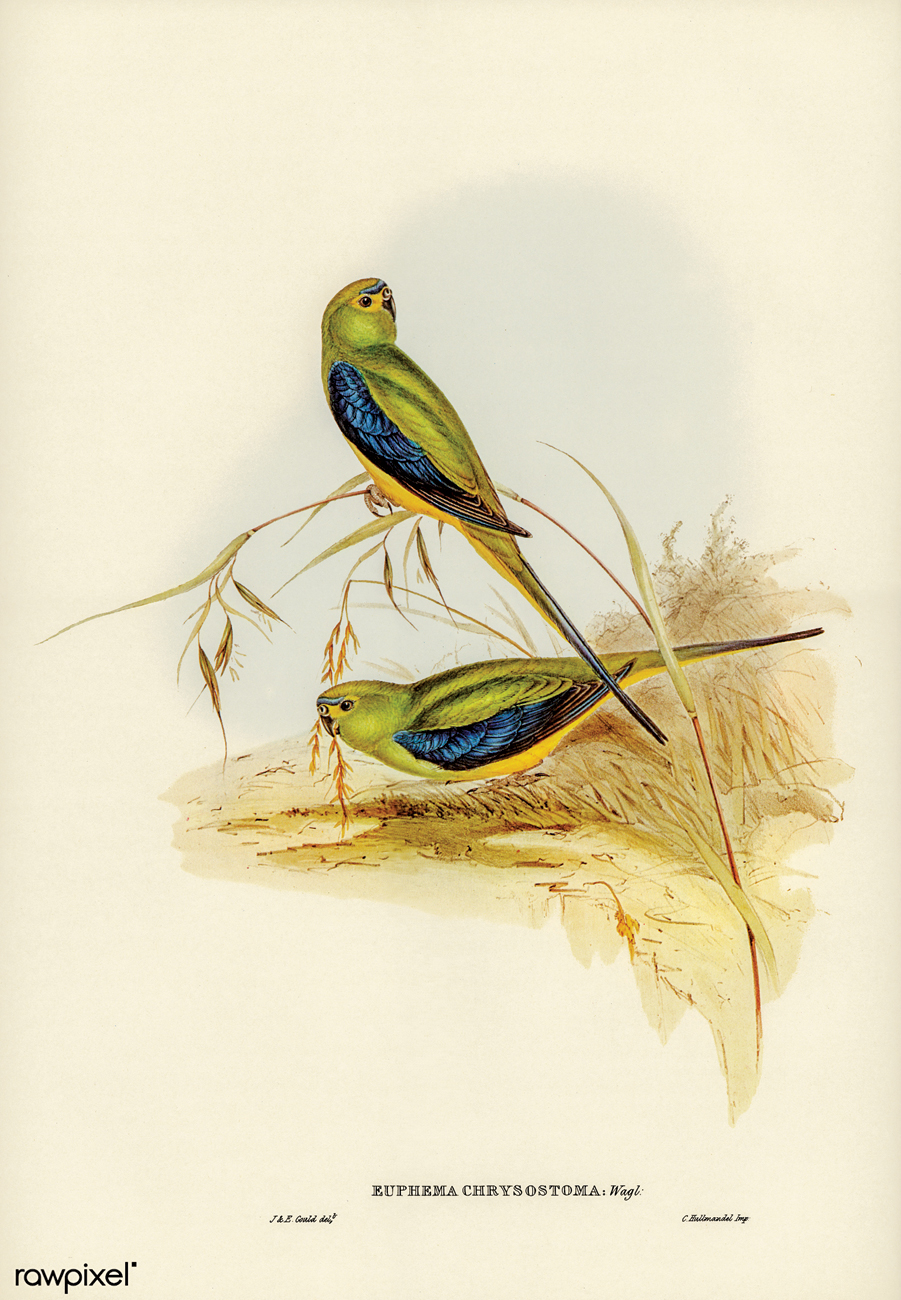
Blue-banded Grass Parakeet Euphema chrysostoma illustrated by Elizabeth Gould. Photo: Public Domain/Elizabeth Gould.
Nature does not simply influence art, design and technology; she defines their possibilities. As environmental challenges grow, this relationship shifts from inspiration to responsibility. From cave paintings to gowns mimicking ocean waves, an unbroken thread continues between humans and the planet. As Rachel Carson observed, “Those who contemplate the beauty of Earth find reserves of strength that will endure as long as life lasts!”
Meena Subramaniam is a nature artist and TN Khoshoo Awardee, 2019. Her art has been on the covers of Sanctuary Asia, featured in Marg “Ars botanica”, and as a poster for NCF, India.