Being With Bugs
First published in Sanctuary Cub,
Vol. 46
No. 11,
November 2026
Our fear of insects has grown from centuries of seeing them as pests, disease carriers, and threats that sting or bite. Yet beneath this fear lies an overlooked truth: insects are essential to the ecosystems that sustain us. By Anushka Kawale.
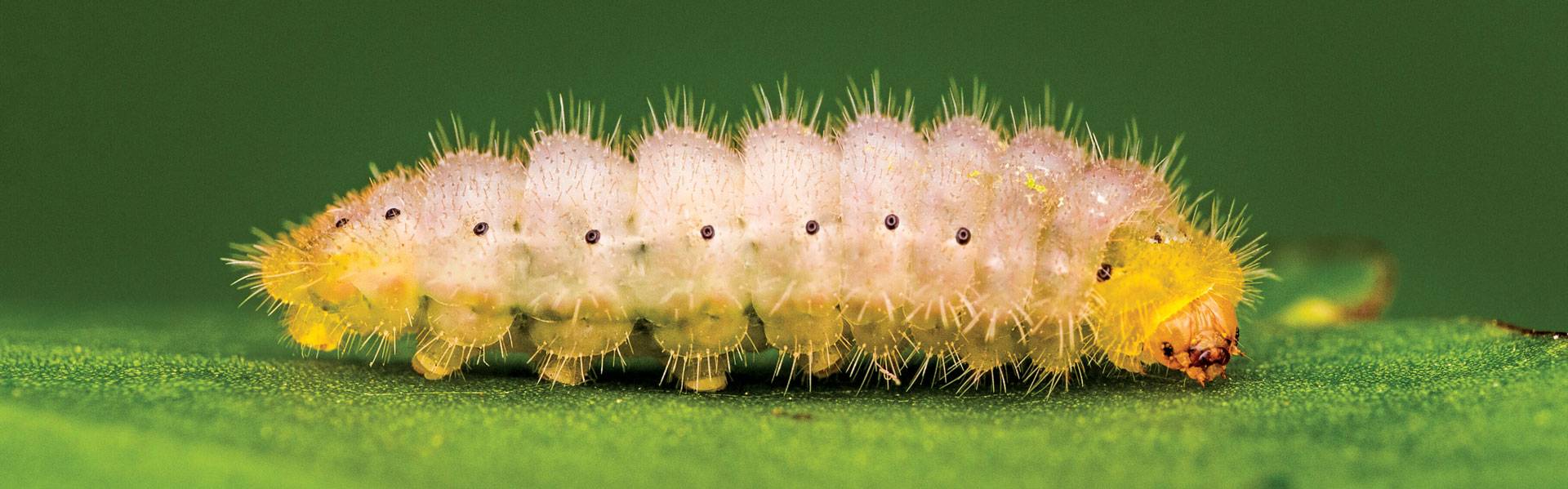
I was eight years old – an age when most of my peers were afraid of insects – when I reared a caterpillar of the red pierrot butterfly Talicada nyseus for the first time. It was unusual yet exciting. Most people around me were confused – they wondered why I was rearing a ‘pest’ that came along with vegetables bought from the market! To me, it was fascinating – I could observe a creature that could transform itself at various life stages, with each life stage so different.
Why Do We Fear Insects?
Have you found insects disgusting, creepy, or felt uncomfortable around them? Well, you’re not alone. Entomophobia, the fear of insects, is a common phobia people experience around the world. Humans have always associated insects with diseases and contamination, and entomophobia evolved from such experiences that could cause death.
A study published by researchers from China University and the University of Tokyo in the journal Current Opinion in Insect Science describes the behavioural immune system (BIS) as a series of our emotional, cognitive and behavioural reactions to disease-causing organisms. BIS is influenced by experiences of our own as well as those of others around us.
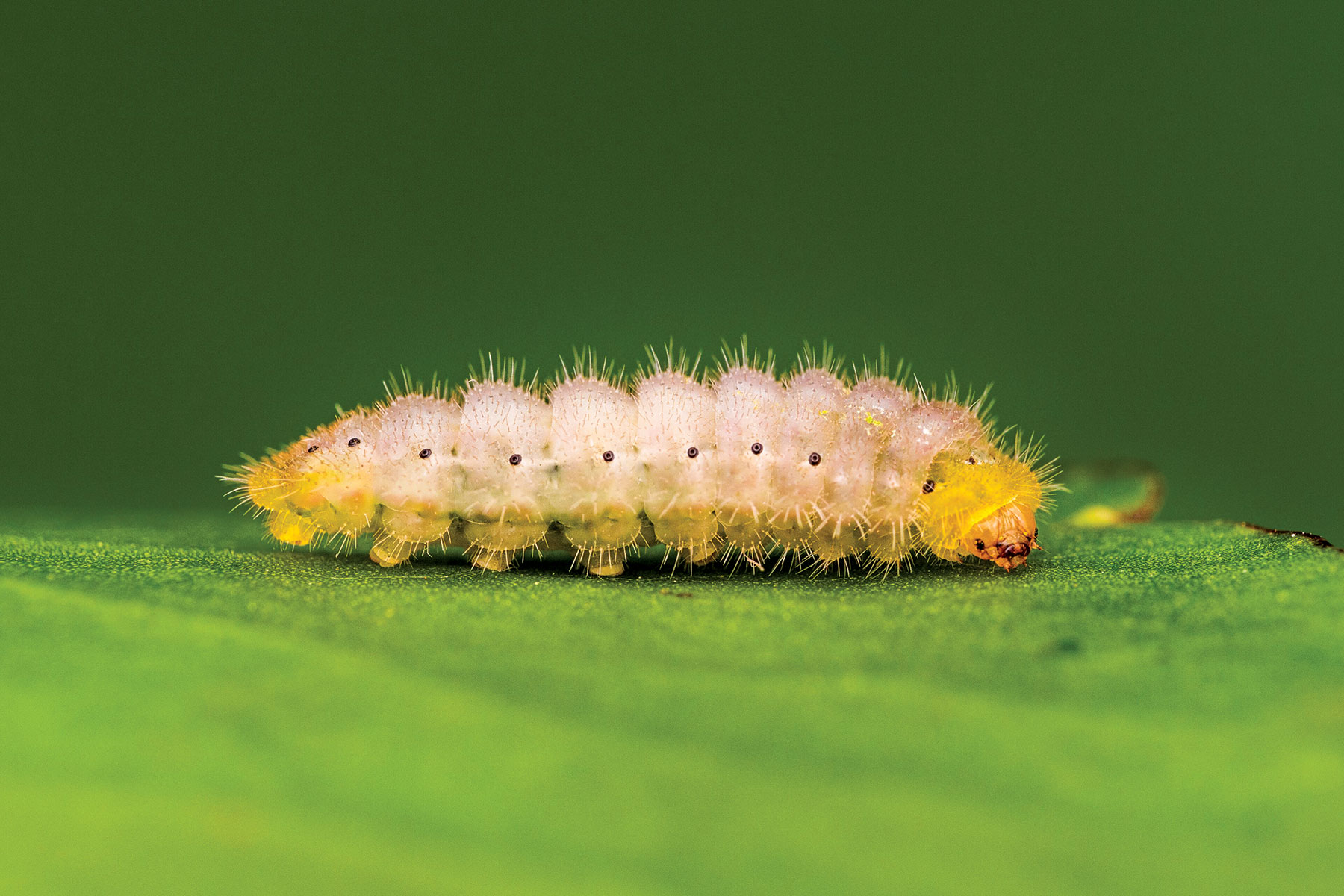
Raising the caterpillar of a red pierrot butterfly and observing its life stages was a positive experience for the author. Photo: Anitava Roy/CC-BY-SA-4.0.
Positive Experiences
My experience with the caterpillar was positive: I was encouraged to learn about its life by observing it. I watched it grow, nurtured it, and eventually released it into the wild. It inspired me to read more about them. But for many, their initial experiences with insects could be unpleasant.
In the study mentioned above, the authors note that infants do not fear most things around them as they’re unaware of the consequences. As they grow up, their reactions and behaviour are often influenced by people around them. So, it is very likely that the people you grew up with have impacted your relationship with insects!
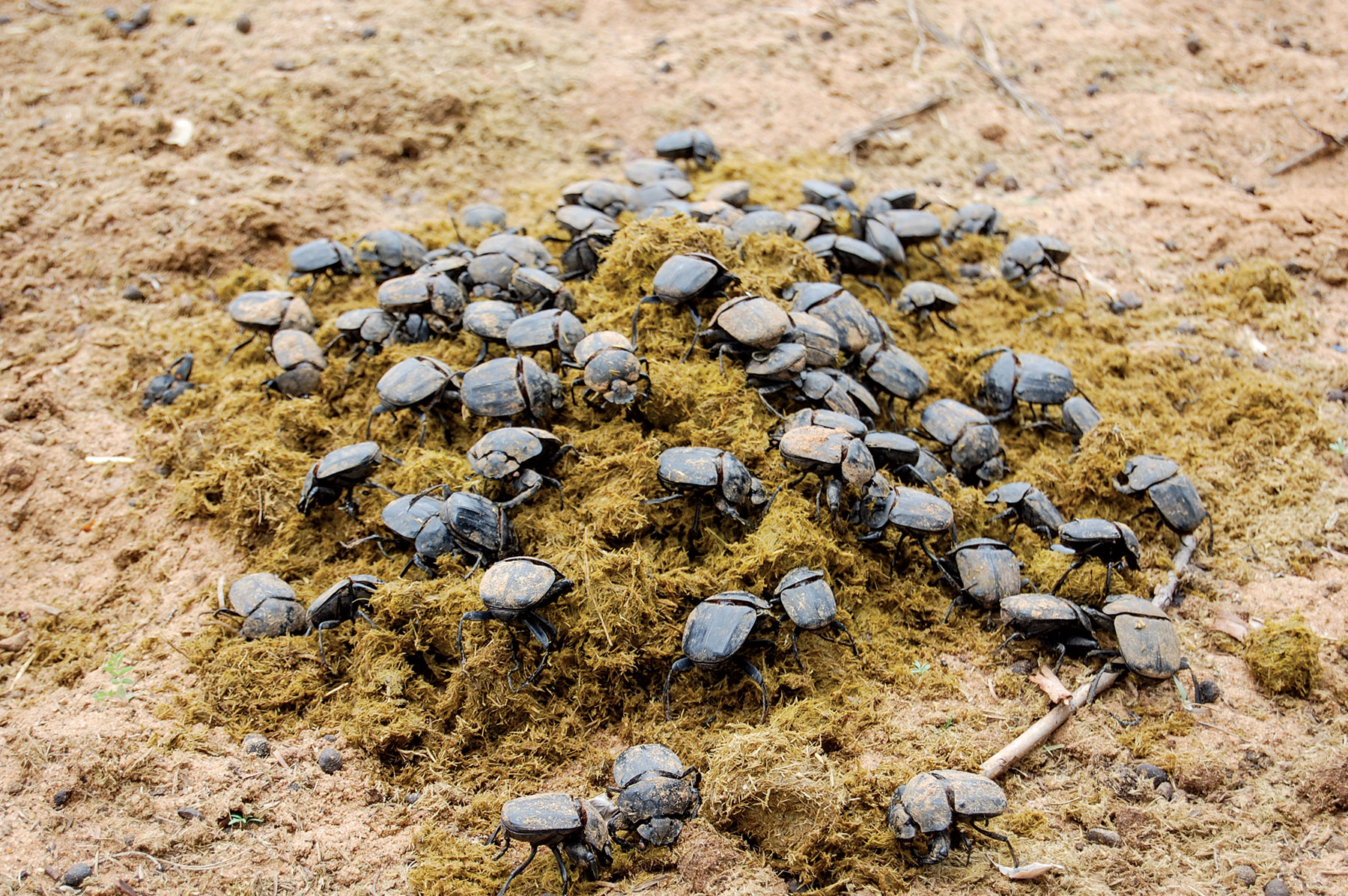
Dung beetles having a feast and cleaning their surroundings. Photo: Public Domain.
Do Insects Feel Fear?
Fear perceived by human beings is a learnt response to things that threaten us. While there is enough evidence of mammals being frightened by humans, some studies suggest that insects also experience fear. When researchers from McGill University exposed fruit flies to the scent of a praying mantis – a known predator, they found that the flies spent more time remaining vigilant than foraging or reproducing. The researchers found that because of the fear, the risk of extinction increased sevenfold, since the small population would not even be able to reproduce while staying vigilant.
Other species have evolved or continue to evolve interesting defence mechanisms to deter predators. Hawkmoths rub their genitals to produce ultrasonic sounds to confuse bats, which also use ultrasonic echolocation to locate moths as prey. Caterpillars, such as the one I reared, mimic bird poop, while butterflies mimic other toxic individuals to threaten predators. Each species has evolved its own strategy, mainly to defend itself from other animals. However, we don’t know yet if they are truly afraid of us.
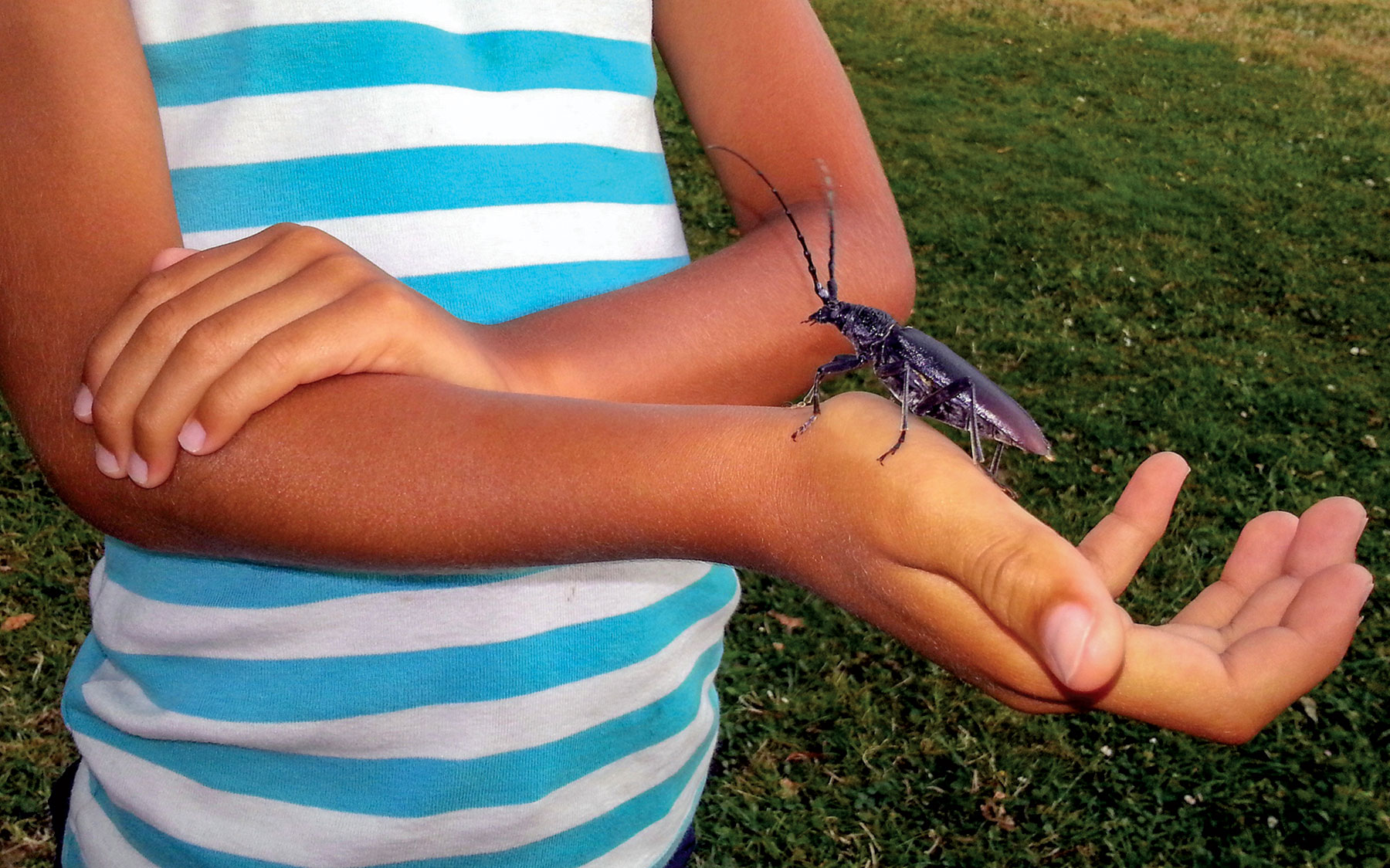
A child and an insect are equally curious about each other. Photo: Asier Sarasua_CC BY-SA 2.0.
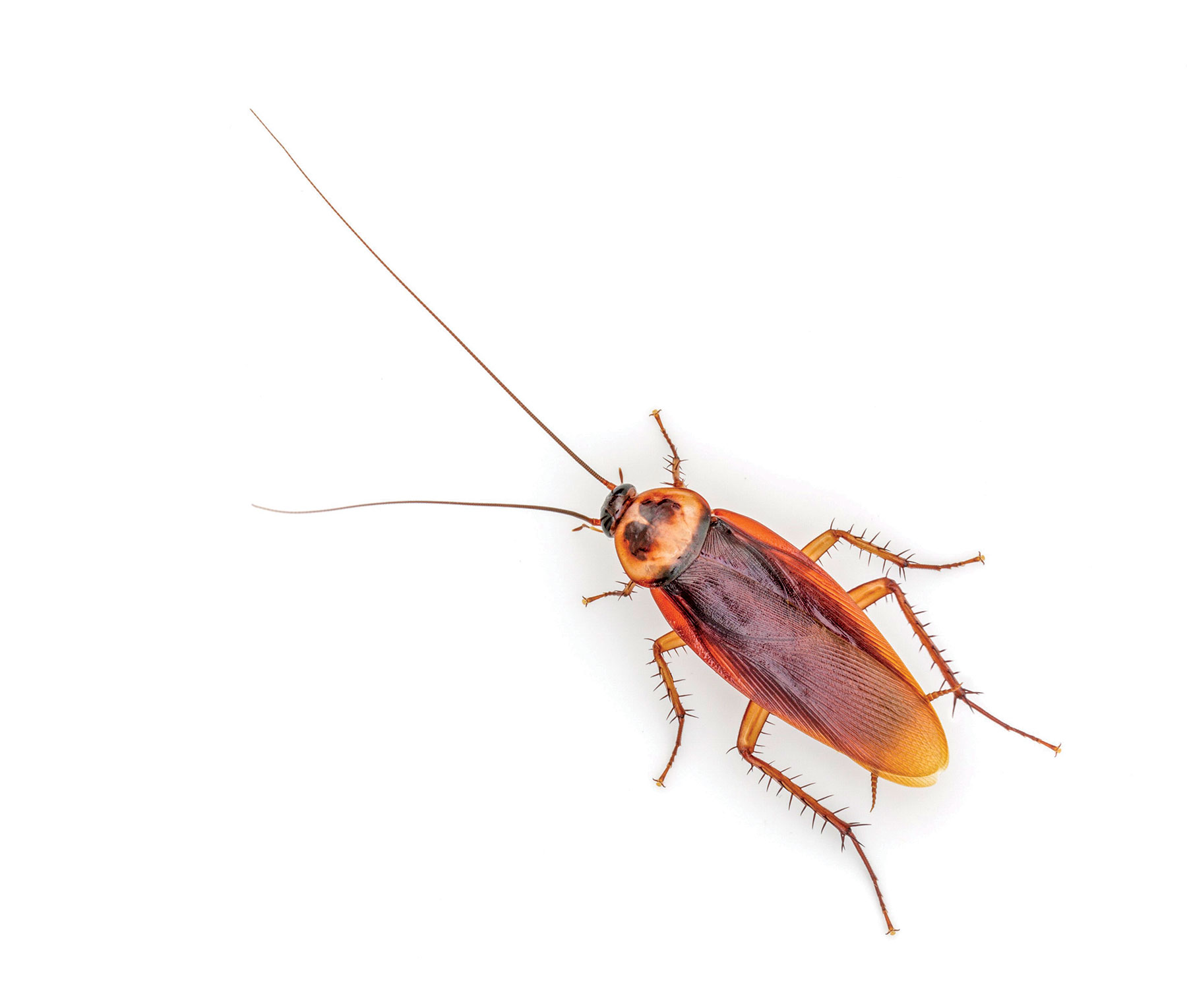
Insects such as cockroaches are becoming resistant to pesticides! Photo: Asier Sarasua_CC BY-SA 2.0.
To Fear Or Not To Fear
When we fear insects, we are more likely to eliminate them from our environment and resort to dangerous means such as toxic insect repellents and pesticides. The worst part: insects such as cockroaches are becoming resistant to pesticides! Scientists are learning that these pesticide-resistant cockroaches pass on this immunity to their offspring. Pesticides cause respiratory and neurological diseases and even cancer. Additionally, they pollute waterbodies and harm aquatic life. So, what we use to deter insects may not only make the situation worse, but also harm us.
Insects play important roles in the ecosystem. Some pollinate the food we eat, some become food for other animals, and dung beetles help keep our surroundings clean.
It is okay to be afraid of insects, but understanding them can help us see that they are more than pests. As climate change puts many insect populations at risk, learning to live alongside them, with care, caution and respect, can help protect the delicate balance of nature.
Anushka Kawale is a trained conservation practitioner, writer and a passionate naturalist from Mumbai. At Sanctuary, she brings nature’s stories to life as Assistant Editor.